

Share & more
For the last few decades, Filipino fishermen have been coping with a convergence of ecological and human-made crises wreaking havoc on their communities. Decades of overfishing and climate change are depleting stocks, the Chinese Coast Guard frequently denies them access to their own territorial waters, and massive land reclamation projects are polluting the very seas that provide their livelihood, forcing vessels to travel further distances.
Yet since Iran began attacking vessels in the Strait of Hormuz in retaliation for US and Israeli airstrikes, a new chokehold has been placed on these communities: skyrocketing fuel prices.
The Philippines imports 98% of its fuel from the Middle East. This dependency has triggered a spike in fuel prices of 95% in the last month alone, forcing the administration to declare a year-long energy emergency and a four-day workweek for government employees.
Though Tehran recently announced it would allow Philippine-flagged vessels unimpeded passage through the Strait of Hormuz, there is still doubt as to whether the declaration – similar to an earlier agreement with Bangladesh – will ease the fuel pressures on the country. To meet the country’s fuel demands, a steady stream of oil tankers arriving from the Gulf multiple times a week is needed. Yet, even if tankers manage to sail past the conflict zone, higher insurance costs and damaged oil facilities ensure oil prices won’t go back to normal for the foreseeable future.
In few places in the Philippines are the impacts of this crisis felt more intensely than in the Port of Navotas, the country’s largest fishing hub, located on the outskirts of Manila. Under normal circumstances, fuel accounts for the vast majority of a fishing boat’s operating costs. That figure has now soared and created a tipping point, making many fishing trips barely profitable.
“Before, I used to spend $5 for two days of fishing, now I spend $8.25 in one day on a shortened journey,” said Roel Donzal, a 45-year-old fisherman.
In a country where the fishing industry employs – directly and indirectly – well over two million people, the average worker earns less than $10 a day. Consequently, the World Food Programme says that nearly 70% of the population cannot afford to maintain a healthy diet and 33% are considered food insecure.
The spike in oil prices has prompted the families The New Humanitarian met to either reduce the number of daily meals they eat or to borrow food from family members. “The food situation is difficult,” explained Jlyn Oveja, a 36-year-old mother of four. “Because the gas is very expensive, my husband’s income is not enough for food.”
To mitigate the impact of rising costs, the Bureau of Fisheries and Aquatic Resources has rolled out one-time fuel subsidies worth $50 for approximately 10,000 fishers. However, this is just a drop of water in a large ocean, covering only a tiny fraction of the country’s 2.7 million registered fisherfolk.
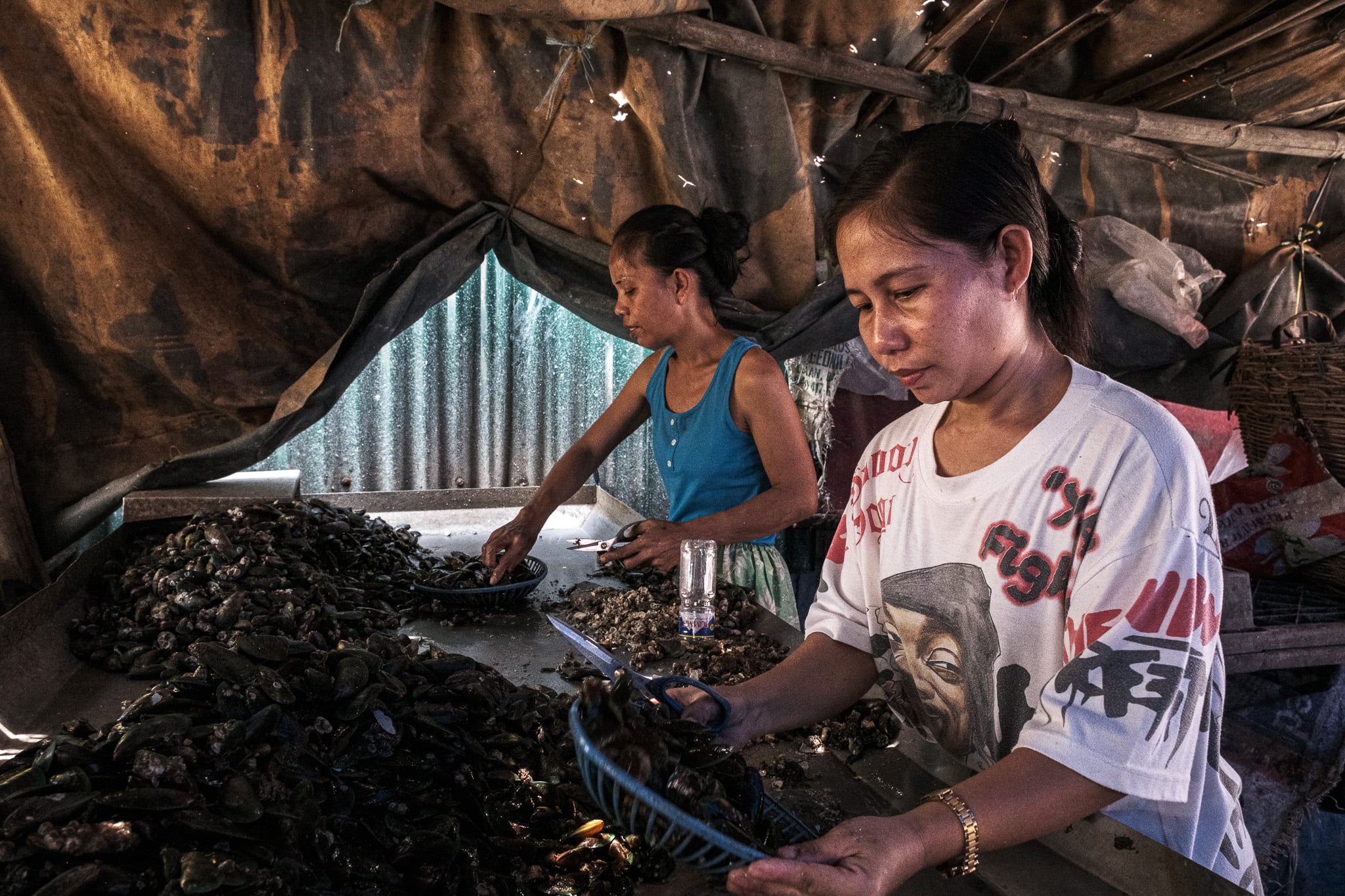
While fishing boats are primarily crewed by men, women form the backbone of the industry on shore, preparing and processing the fish once it reaches the port. However, as catches decrease, so does the income of the women whose livelihoods depend on the sea.
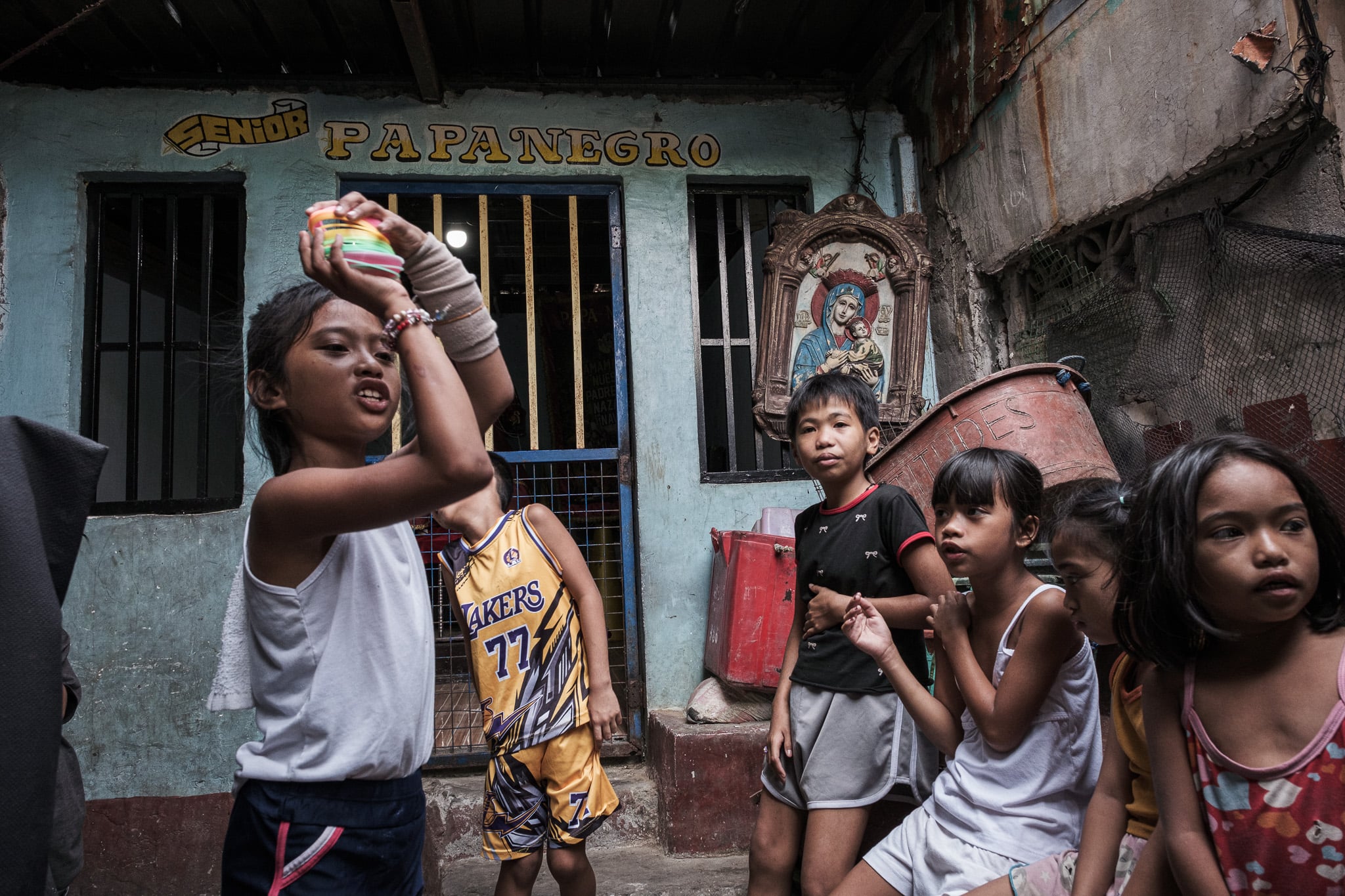
A group of children playing inside the fishing community. Fishers are amongst the poorest in the Philippines. According to a report by MRGA Asia Pacific, almost half of the children in poor communities in the country experience stunted growth. The effects of malnutrition go beyond adverse health outcomes: It is estimated that undernutrition reduces the country’s economic productivity by 11% annually.
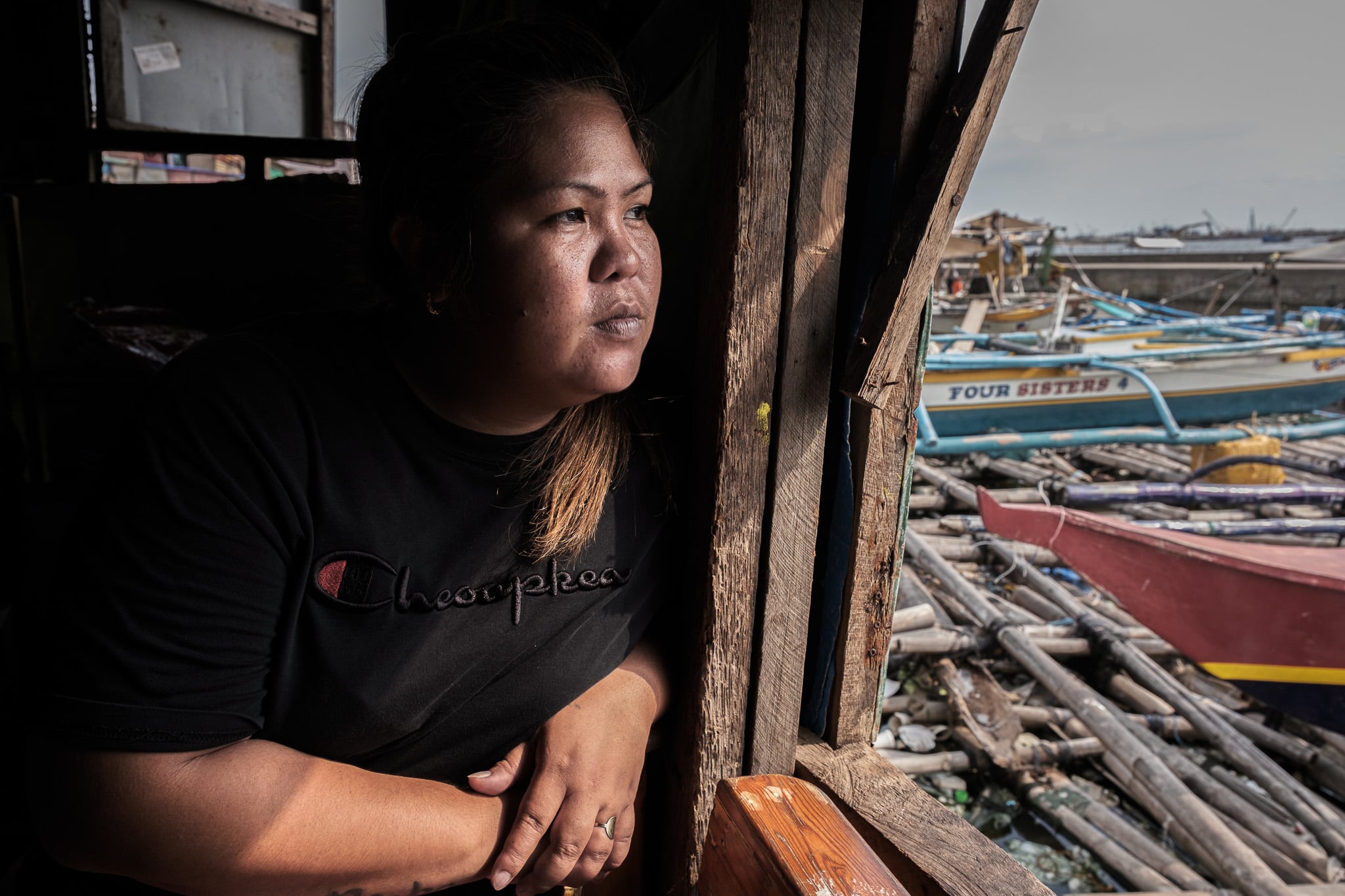
Rona Llado Catienza, a 32-year-old resident of Navotas, says government subsidies are insufficient as they only reach a tiny portion of fishers. Furthermore, like others in the community, she’s concerned about the impacts of land reclamation projects in Metro Manila on the future of local fishers. “Because of the reclamation project, the sea level will rise [during storms] here in Navotas because [we are in a low area] and [the project is] still dumping land,'' she said.
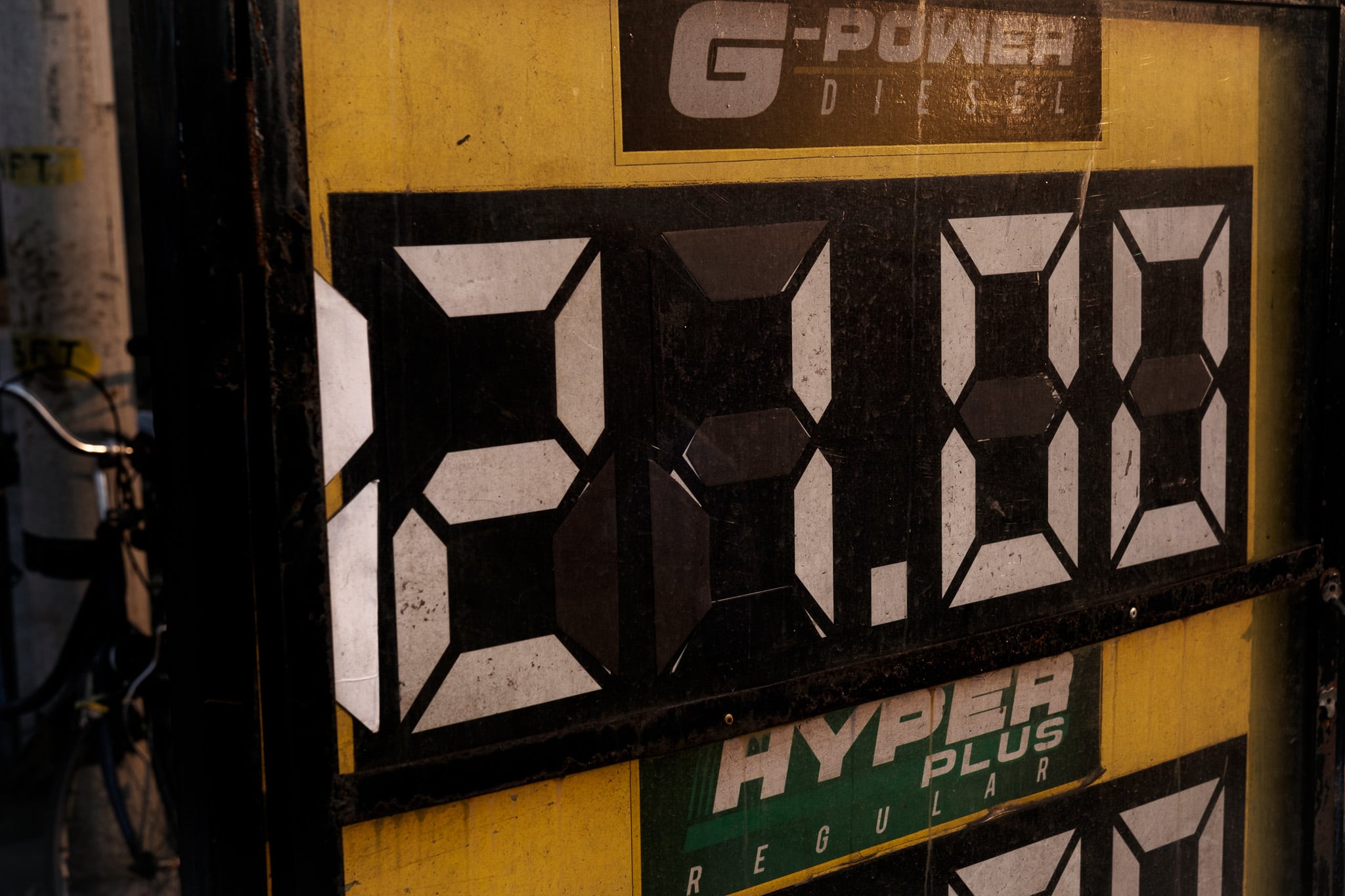
Fuel prices shown on a board in a gas station near the port of Navotas. Across the country, more than 400 gas stations have temporarily shut down due to fuel shortages. The gas station visited by The New Humanitarian was imposing fuel quotas and prioritising fishers. According to the Department of Energy, there are less than two months of fuel reserves available before the pumps run dry.
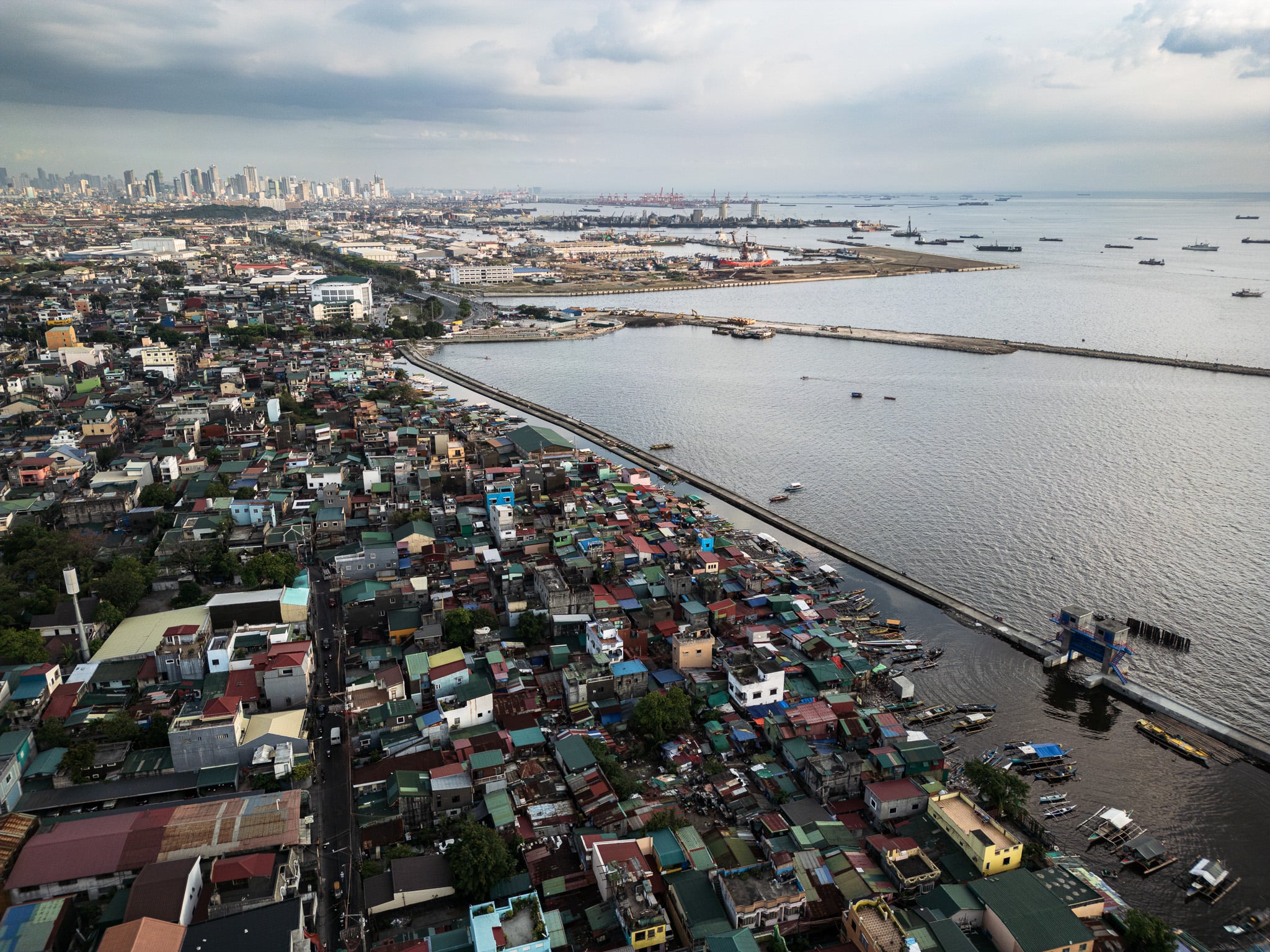
An aerial view of Navotas and its port. Residents complain that the land reclamation project forced many mussel farms owned by the community to close, torpedoing a more stable source of income in a country where 88% of its waters are overfished. The project is also polluting their waters and pushing fishermen to travel to other provinces to catch fish, which only increases the already soaring fuel costs. “My four kids stopped [going to school] last year because of the land reclamation project,” said Oveja. “We closed the farm and I can’t afford school.”
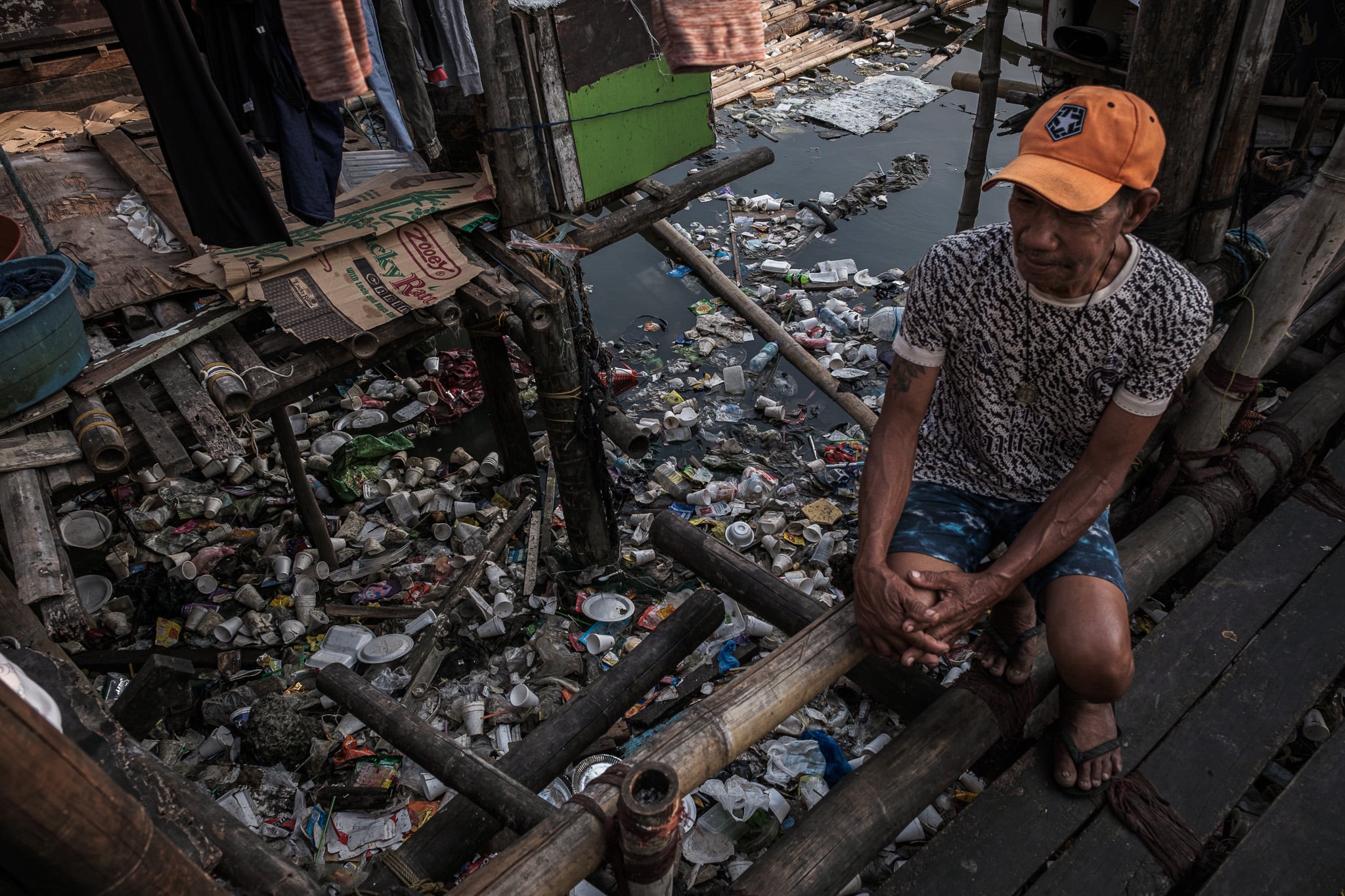
Pollution gets trapped within the walls of a flood protection wall. In 2019, a flood contention dike was expanded to protect Navotas from storms and rising sea levels. However, this has created a trap that keeps waste that used to be washed away next to people’s houses in an area with little to no municipal services.
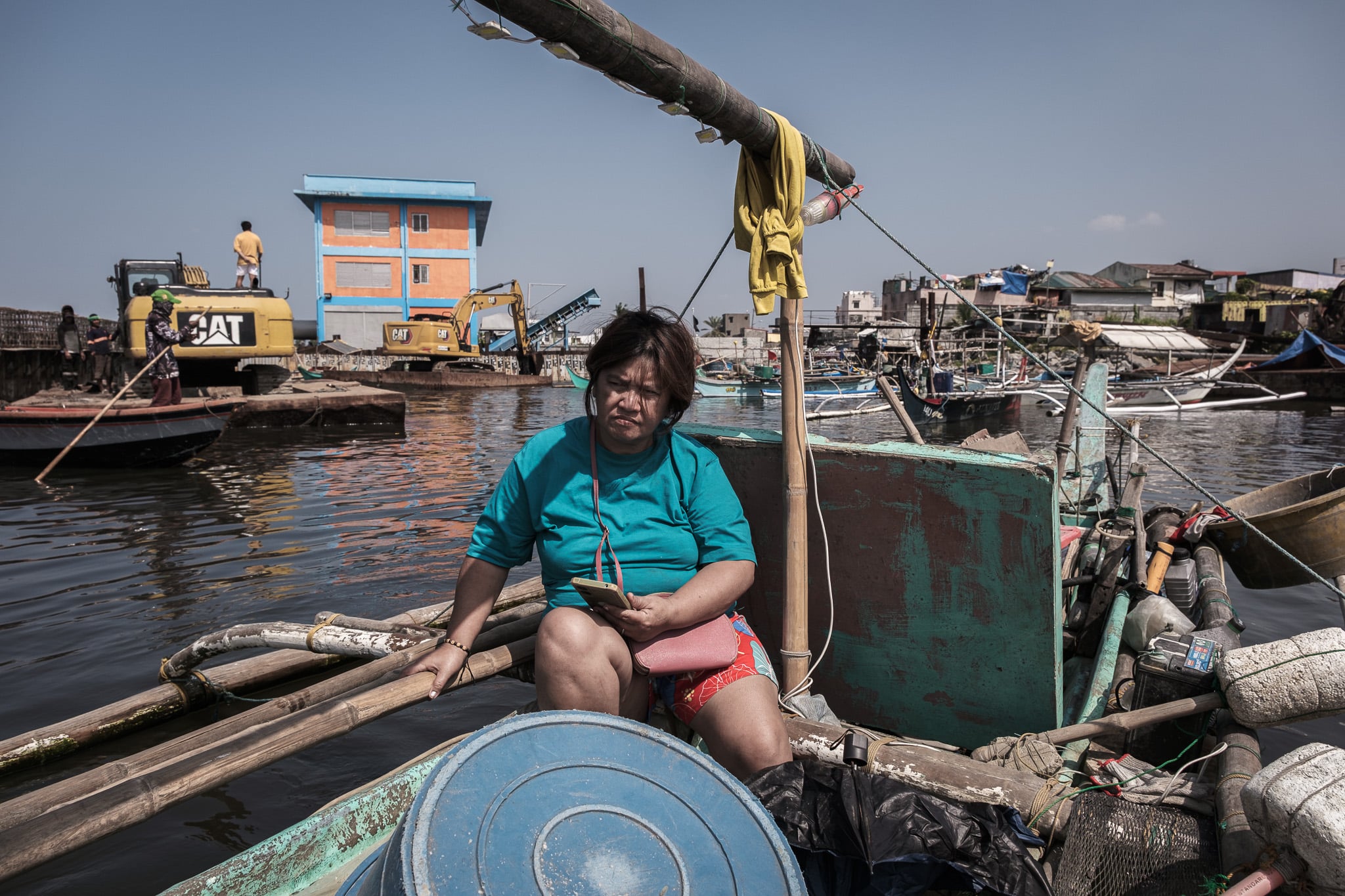
A resident on a boat within the contention wall and the houses. Stagnant water creates a breeding ground for mosquitoes capable of transmitting dengue, malaria, or the zika virus. It can also lead to bacterial infections and skin diseases, among other health problems.
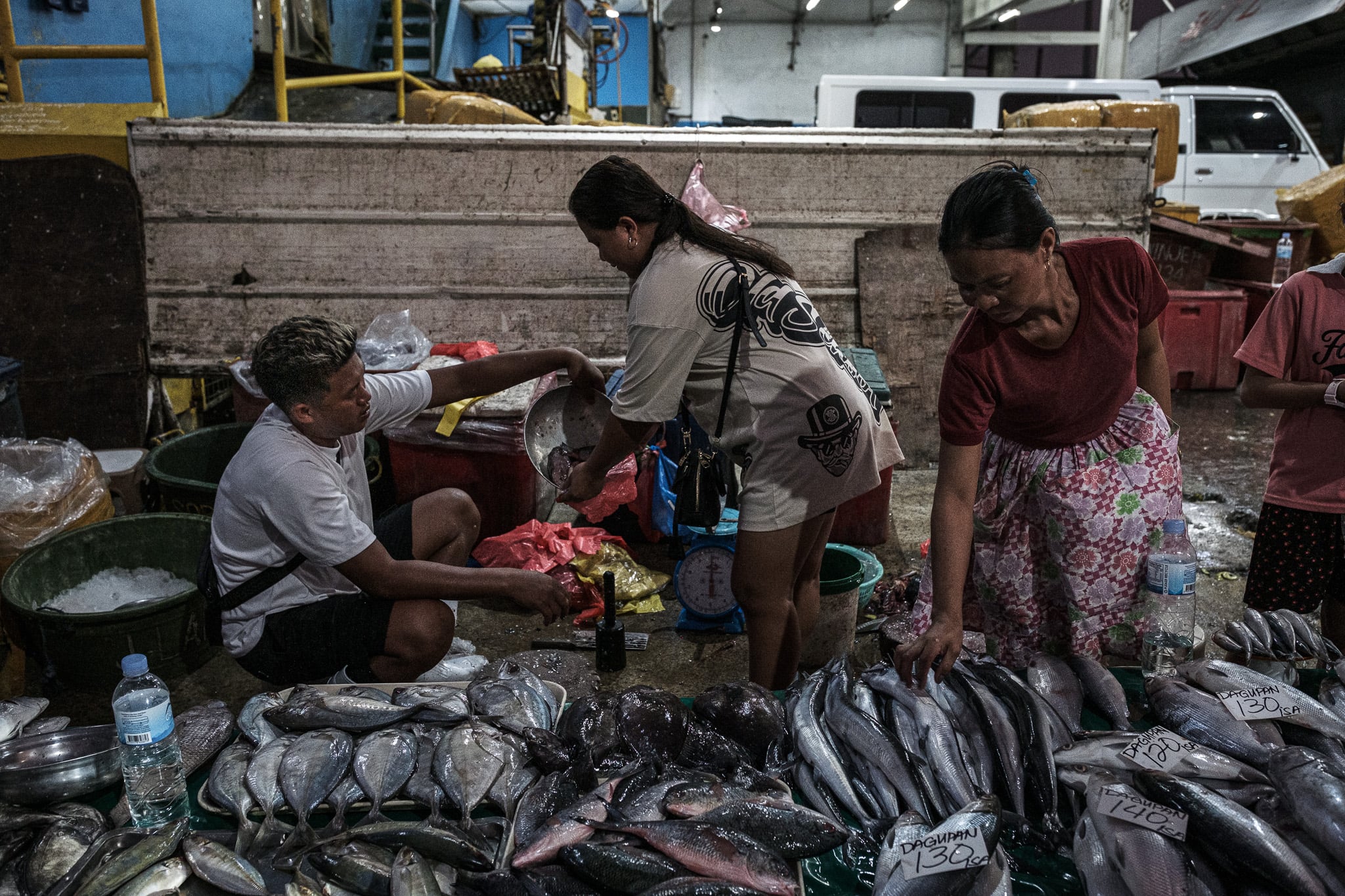
Vendors at a local fish market. Due to rising fuel prices, fishermen are forced to increase the prices at which they sell their catch. This has a detrimental effect on the nutrition of poor communities that substitute nutrient-rich fish for cheaper unhealthy alternatives. This also drives up obesity rates.
Edited by Ali M. Latifi.


