


Share & more
After three years of catastrophic conflict, Sudan is divided and partitioned between the warring parties and their various armed allies, with few signs of any breakthrough in mediation efforts, and every indication of further regional escalation.
The national army – the Sudanese Armed Forces (SAF) – and the paramilitary-turned-rebel Rapid Support Forces (RSF) were former allies who overthrew a civilian-led government before violently fracturing amid plans to integrate their forces.
Many Sudanese see the SAF as a sovereign army fighting a legitimate battle against a rebel group that has been backed to the hilt by the United Arab Emirates, allowing it to tear through large parts of the country, committing genocide crimes along the way.
Others, however, still see the two groups as part of the same oppressive system – military actors with foreign patrons all seeking to crush civilian and democratic movements and further their corporate interests and hold over Sudanese life.
Today, neither the SAF nor the RSF seem capable of winning militarily, yet both are profiting from the war, even as ordinary Sudanese suffer deeply, with more than 11 million currently displaced and many millions experiencing famine.
As ever, it is the Sudanese themselves who are responding to the disaster, following a long tradition of mutual aid and communal mobilisation – spanning efforts as diverse as harvesting crops to dealing with floods – now carried forward to deal with a nationwide war.
The most recognised expression of this solidarity has been the extraordinary work of Emergency Response Rooms (ERRs) – decentralised mutual aid networks operating across the country and run by thousands of volunteers.
But there are many other configurations less noticed by outsiders, from networks of families, friends, and strangers sheltering the displaced in their homes, to neighbourhood soup kitchens, to farmers’ cooperatives and unions.
The stories below – almost all reported by Sudanese journalists operating in difficult conditions inside and outside the country – reflect our most important coverage on Sudan over the past 12 months. Please do take the time to read them.
The RSF’s genocide in Darfur
The RSF, mostly drawn from Darfur’s Arab groups, descends from the Janjaweed militias that carried out genocidal crimes against non-Arab communities in Darfur in the 2000s. Many see that history repeated in the current war. Following RSF massacres against non-Arab Masalit communities in West Darfur in 2023, the group carried out large-scale killings late last year in North Darfur’s El Fasher, the last major city in Darfur that was still held by the army and allied fighters. The RSF imposed a 500-day siege on El Fasher before seizing it in October and turning its guns on remaining residents, many of whom were from non-Arab groups. Tens of thousands are believed to have been massacred in one of the worst single atrocities of the 21st century. In the days that followed, our journalists painstakingly reviewed footage of abuses – much of it filmed by RSF fighters themselves – and interviewed survivors to piece together a series of reports that stand as a record of what unfolded.
Pay up or be executed: El Fasher survivors speak of kidnappings and mass killings
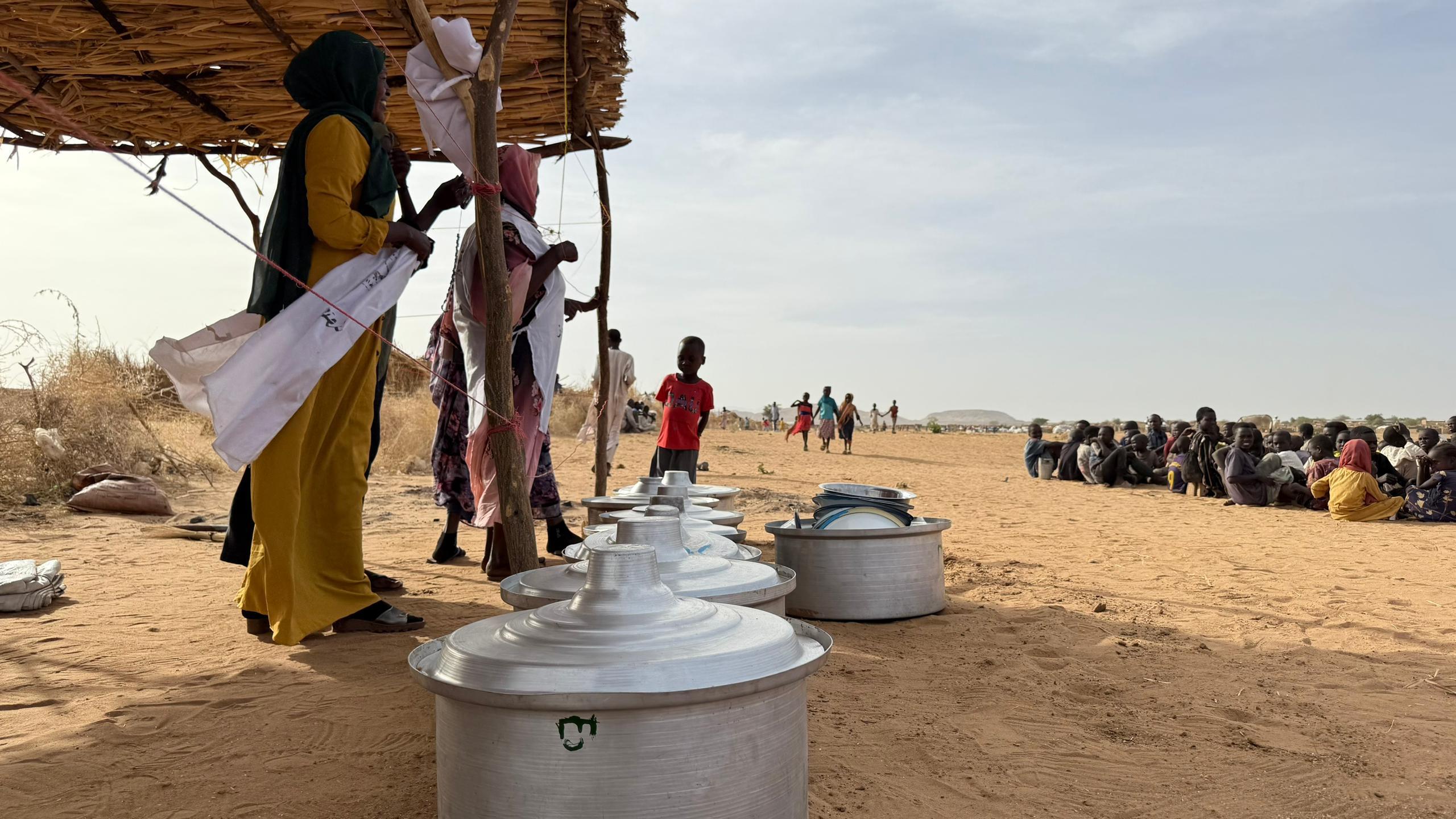
This report brings together testimonies from nearly a dozen survivors who escaped El Fasher. They describe widespread killings and mass abductions by RSF ransom and trafficking networks operating along escape routes out of the city. One witness describes the RSF’s actions as “not befitting humanity”.
Women and girls fleeing El Fasher describe widespread RSF sexual violence

Women and girls who escaped El Fasher describe brutal sexual violence by the RSF to our reporters on the ground for this story. Some were gang-raped by the RSF and affiliated fighters, and describe the abuse lasting for hours or even days, sometimes occurring in the presence of family members they were fleeing with. The crimes fit into a pattern of the group using rape as a tool of war.
An atrocity foretold: How the RSF siege of El Fasher turned into genocidal slaughter
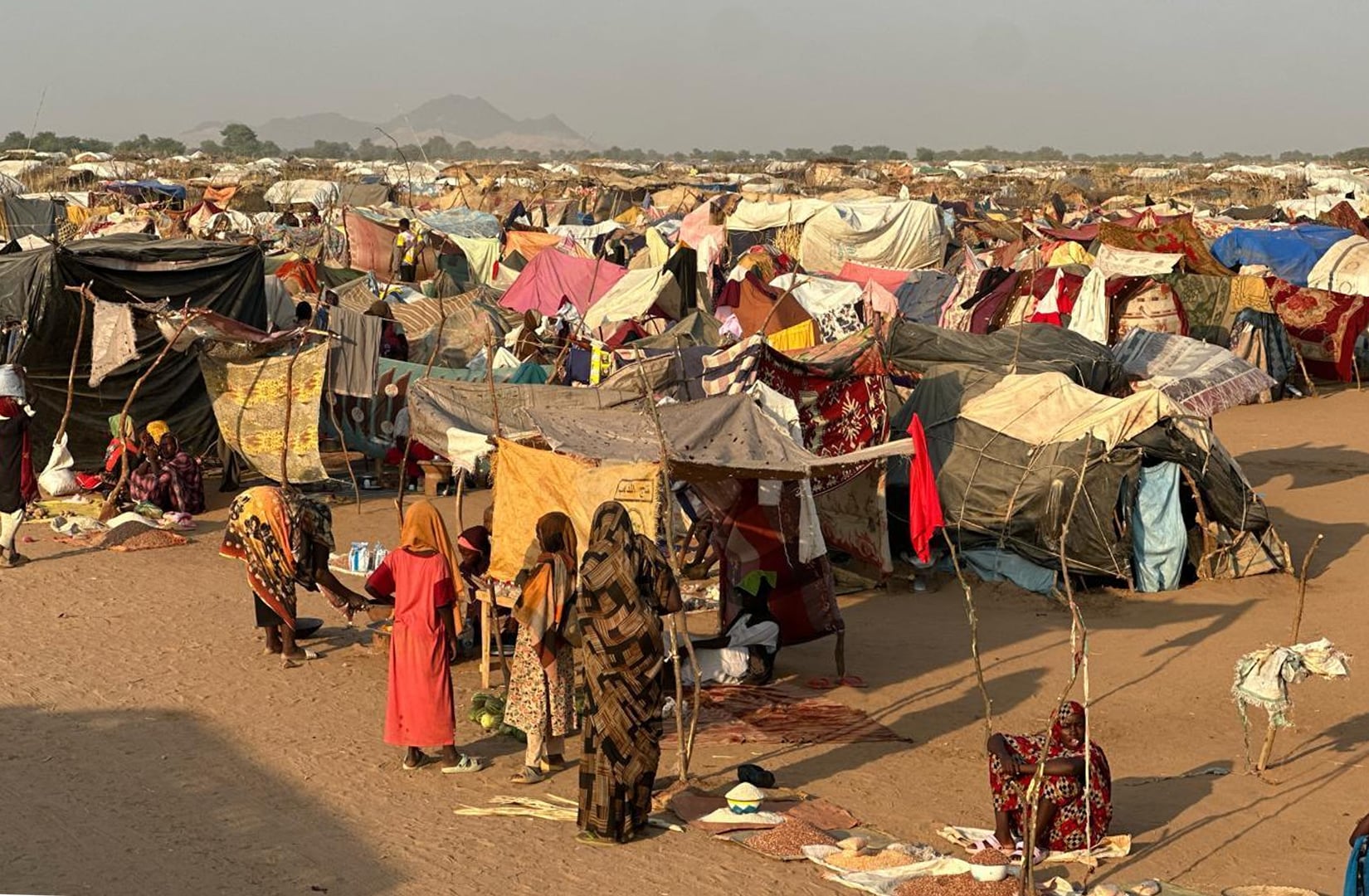
In this analysis, leading Darfuri journalist and human rights monitor Ahmed Gouja uses open-source video evidence, interviews with people who escaped El Fasher, and information from sources within both the army and the RSF to provide a first account of what befell the city. He also strongly criticises the international actors that allowed the atrocities to take place.
Sexual abuse and blood theft: What I found at a camp for Sudanese displaced from El Fasher
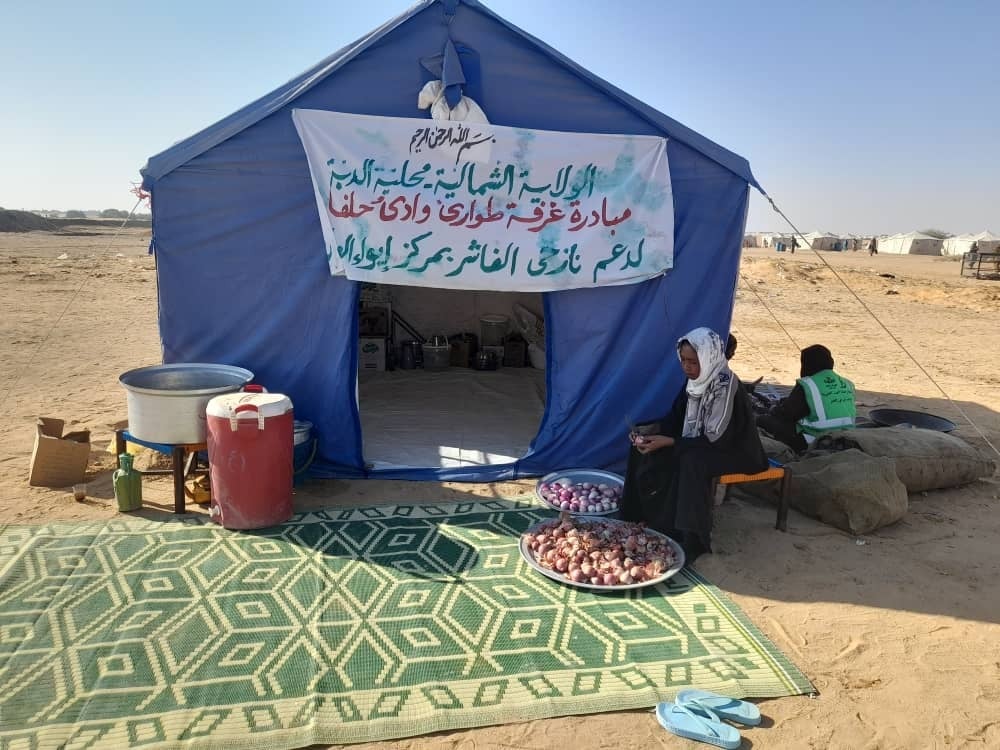
Award-winning journalist Mohammed Amin has been documenting the human toll of Sudan’s war since it began, including the suffering it has caused to his own family. Yet little compared to what he heard at a displacement camp hosting El Fasher survivors in the town of Al Dabbah in northern Sudan. The testimonies he recorded – from the RSF taking blood from fleeing people to committing extensive sexual violence – suggest we are still only beginning to grasp what took place.
Personal stories of struggle and survival
Some of The New Humanitarian's strongest reporting on conflicts comes through first person storytelling, and it's been no different with Sudan. From photo essays to narrative nonfiction, the stories below offer a window into the human toll and complexity of a war that has produced the world’s largest displacement and hunger crises.
I will never find home: A Sudanese photographer’s wartime journey
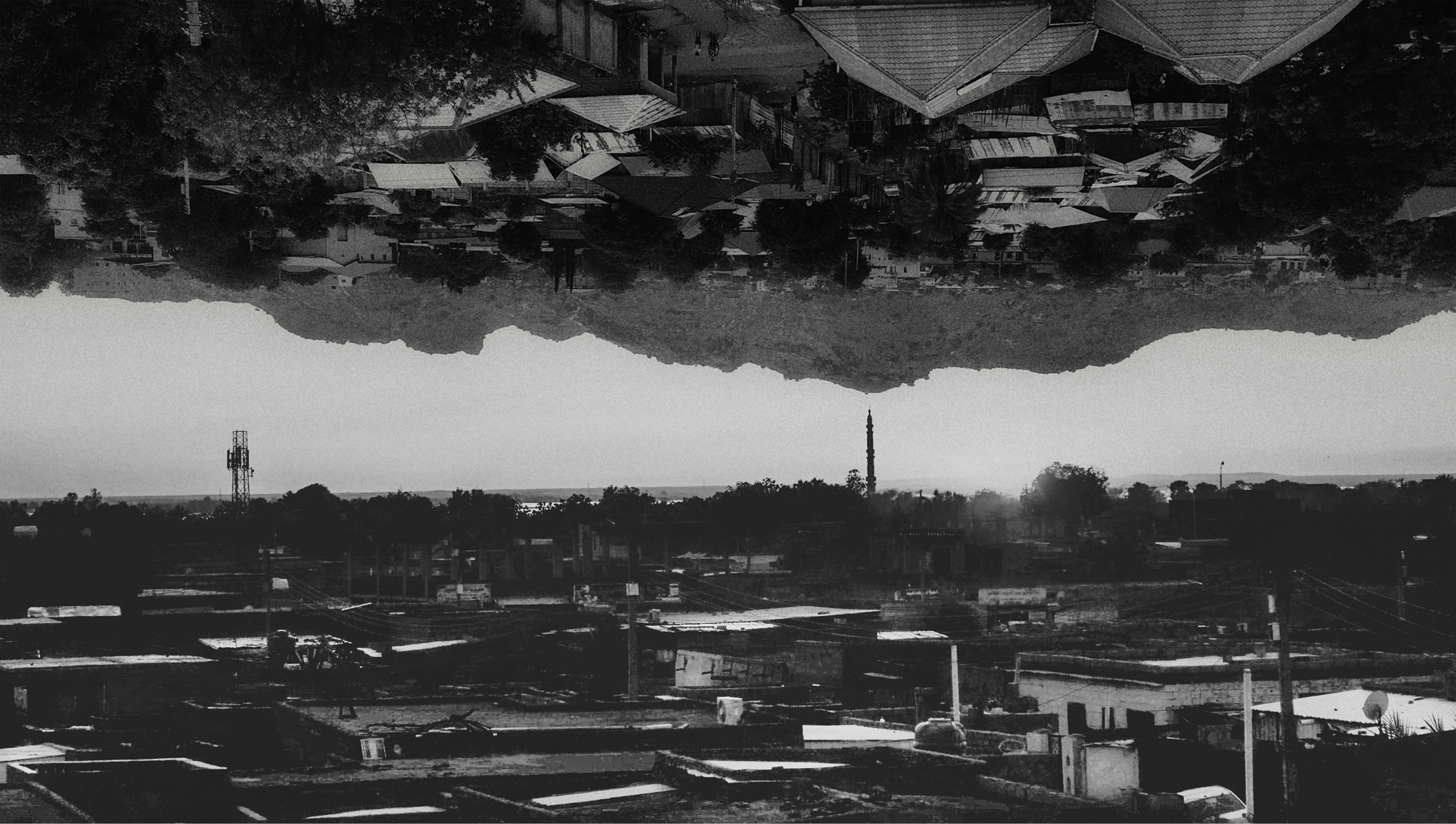
Photographer Ammar Yassir left Khartoum when the war broke out in April 2023. This photo essay follows his search for refuge, as he reflects on what home means, and whether he will ever find it. Ammar’s use of family archives and double exposure creates an incredibly striking piece of photojournalism that tells a deeply personal story. But, as Ammar says, it is “just one among millions of Sudanese stories – untold stories of people who have lost their families and been forced to flee their homes.”
The gifts I have been given: Survival as a collective act in Sudan
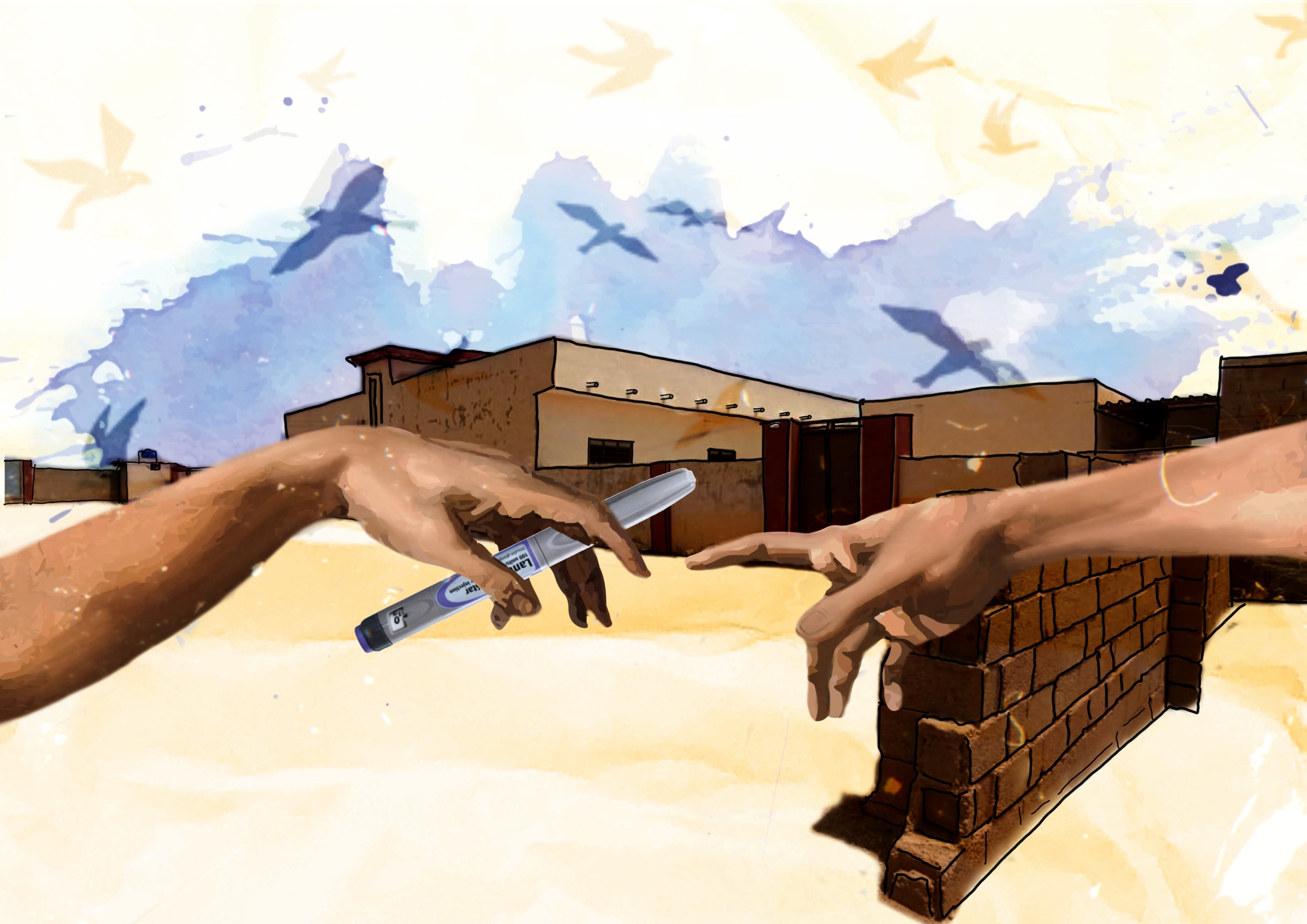
When the conflict began, writer Samah Fawzi initially resisted the idea of Ibn Sina, the eleventh-century Muslim physician and philosopher, that some goodness can come out of war. Yet the kindness and tenderness she experienced in the harshest of conditions taught her to see light amidst the darkness. From a jug of water offered on a deserted Khartoum street as she suffered extreme thirst, to distant relatives giving her family temporary shelter, her stories shared here – told in four vignettes with illustrations by Azza Elhussien – are among the most powerful we have published on Sudan.
From exile, I watched El Fasher fall – and my family fight to survive
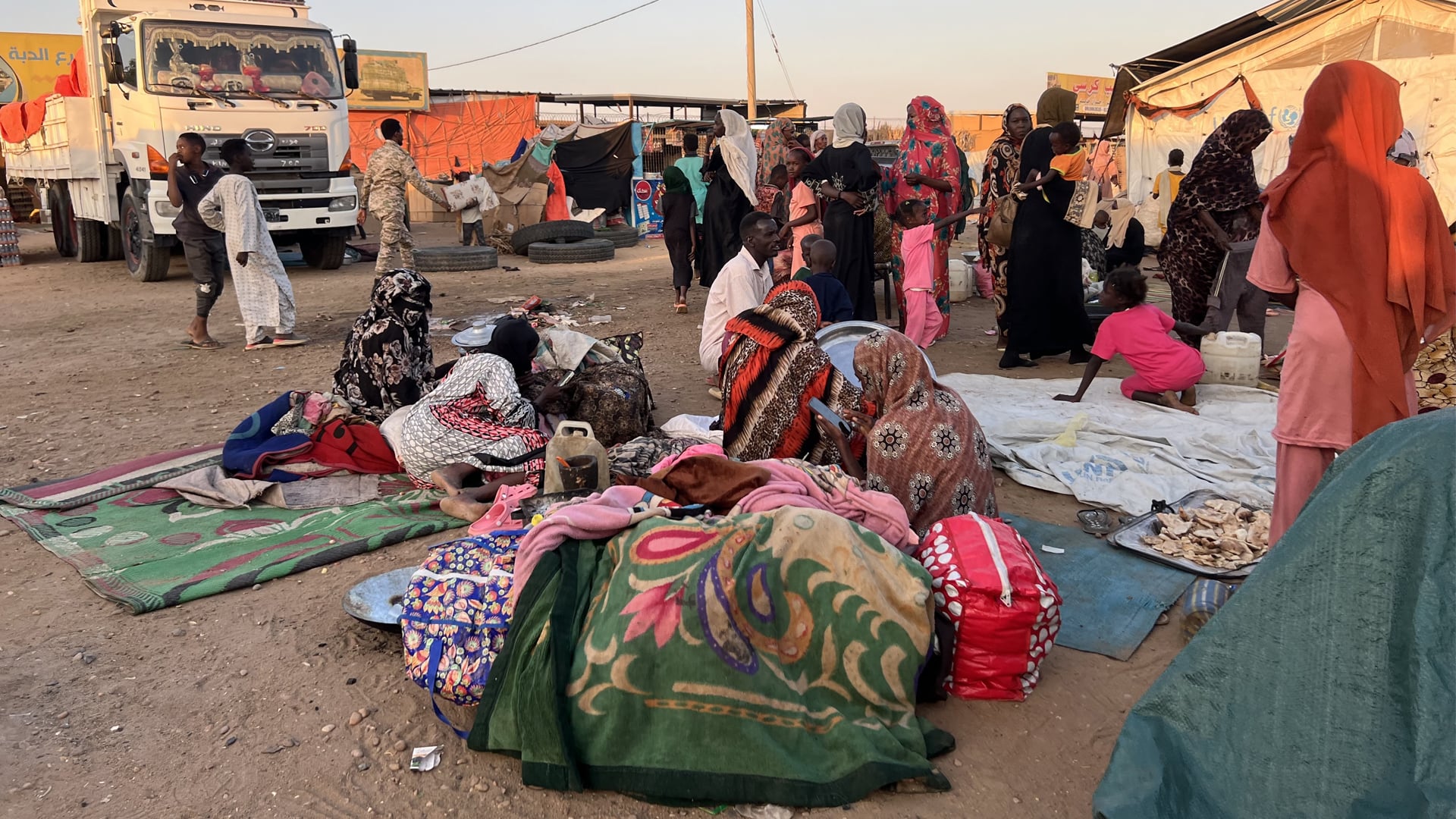
In this first person account, exiled journalist and El Fasher resident Eisa Dafallah tries to piece together what happened after the RSF seized the city in October, using messages, photos, and the broken voices of those who escaped. He describes the trauma of finding out that relatives had been killed and abducted, and the guilt of receiving this news from safety in Kampala. “I heard church bells ringing around my house. Then hymns followed, drifting through my windows – sounds of peace and safety that felt profoundly undeserved,” he writes. The article led to Eisa being nominated for Journalist Of The Year at the One World Media Awards. Take time to read his other story for us too.
Two years after leaving, I returned to a Khartoum I barely recognised
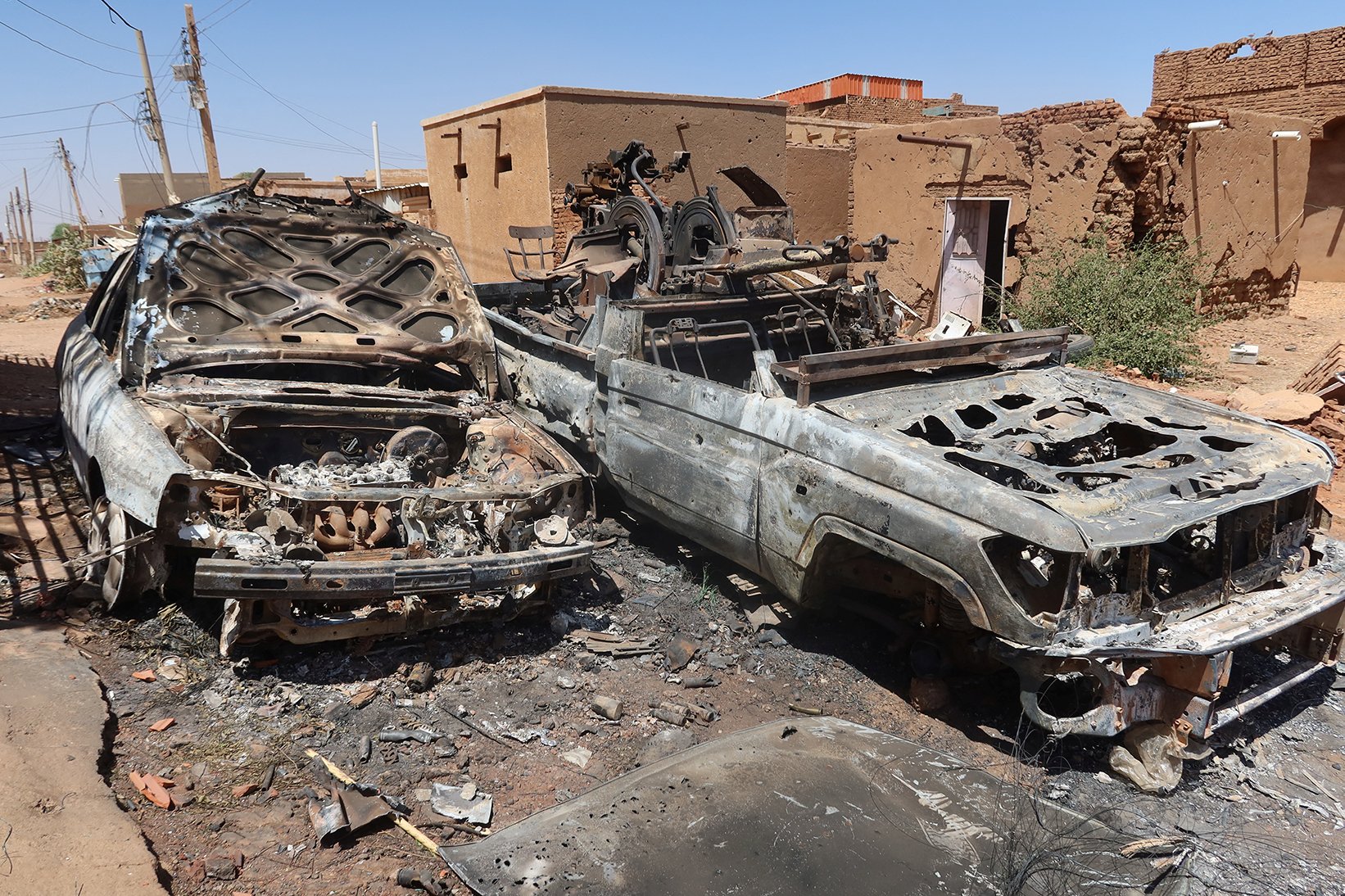
Journalist Mohammed Amin left Khartoum, alongside millions of others, when the RSF took over the city at the start of the war. Last year, after the SAF reclaimed it, he was able to finally return. Like so many others, he found RSF soldiers had occupied his family’s apartment and looted their valuables. “Khartoum has been liberated from the RSF, and for both those who stayed and fled, that is a huge relief. But what the paramilitary force did here is beyond words: They left destruction, fear, and trauma that will take years to heal,” he writes.
Mutual aid and a failing international response
Since the war began, we have been profiling the efforts of Emergency Response Rooms alongside other local initiatives that have become the backbone of relief efforts in Sudan. We have also been reporting on the struggles and shortcomings of international aid organisations, many of which pulled out of conflict zones early in the war, and have struggled to mount an effective response ever since.
As RSF attacks escalate, a Darfur town struggles to shelter the displaced
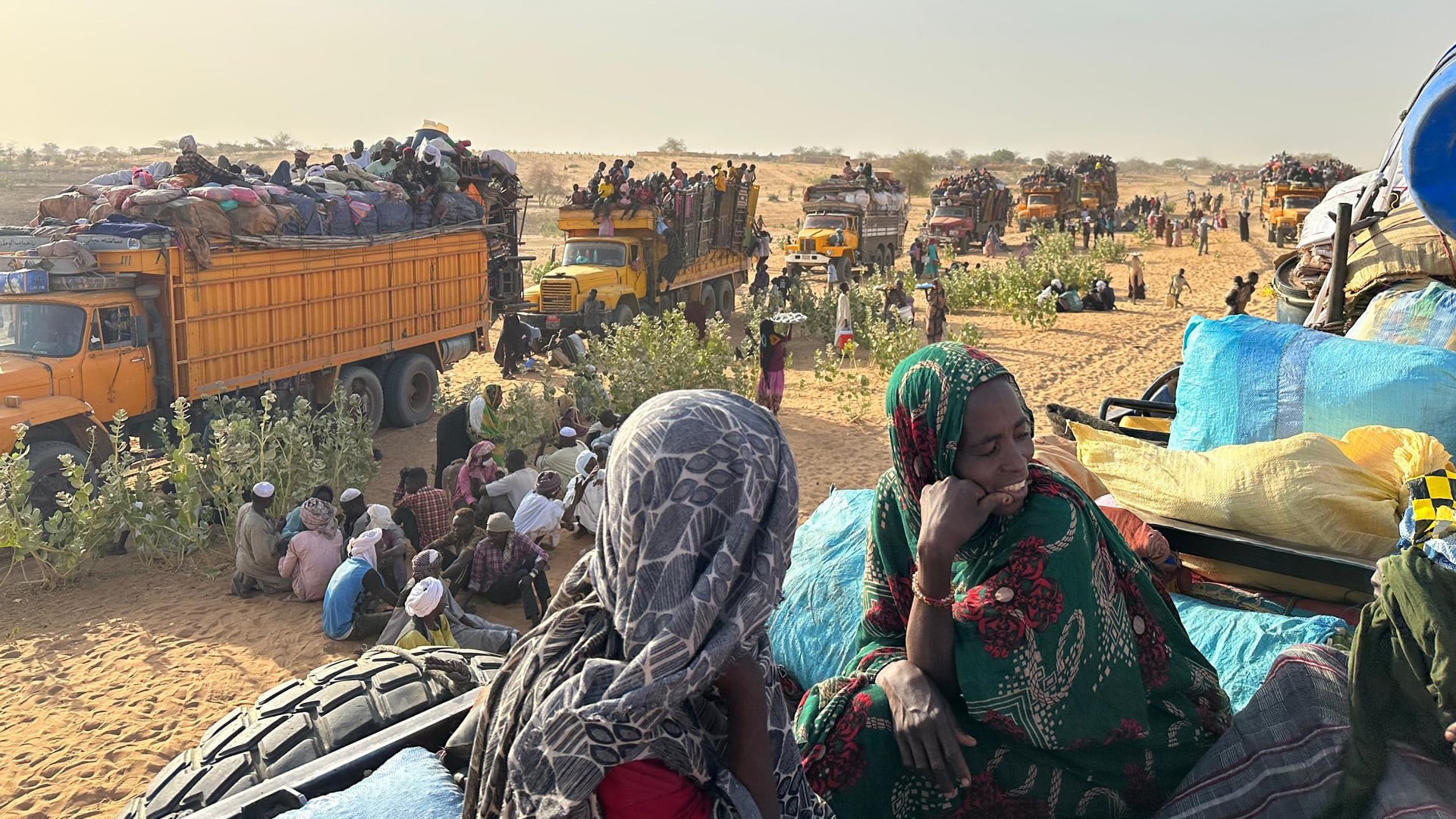
Not too long ago, Tawila, a small Darfur town nestled at the edge of Sudan’s largest mountain range, was shaped by the rhythms of everyday life – trading goods, and growing and harvesting staple crops from fertile fields. Today, however, the town is Sudan’s epicentre of displacement, its resources and solidarity stretched to breaking point as hundreds of thousands seek safety there from RSF attacks in and around El Fasher. This story was the first of two reports on the emergency in Tawila, reported by journalists on the ground, profiling the efforts of local volunteers and community groups responding to the crisis. Read the second piece here.
“I volunteer because I love my people”: On the ground with Darfur’s mutual aid volunteers
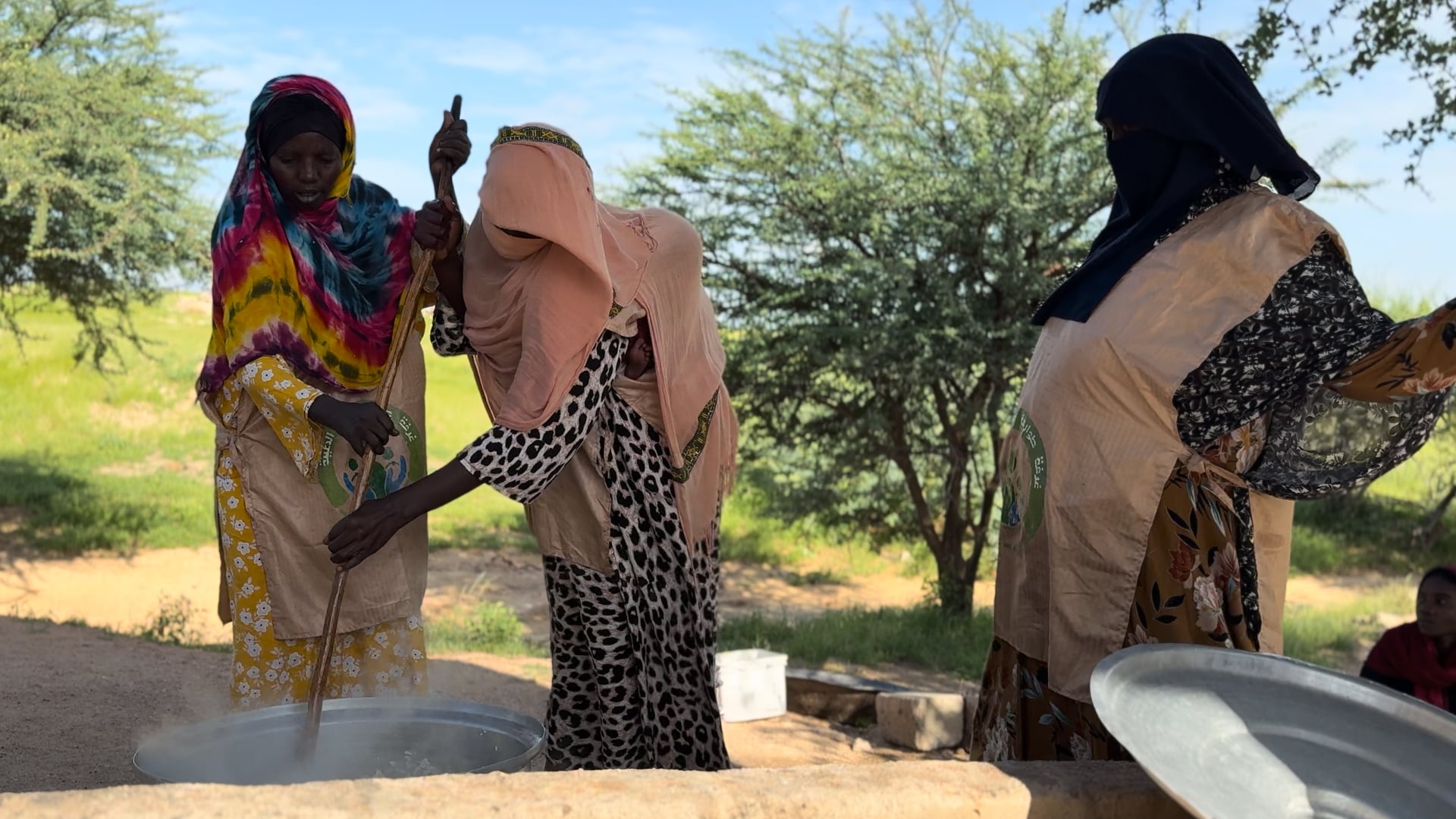
Like Tawila, the Darfur town of Tina has received large numbers of people fleeing RSF atrocities in recent months, and has also come under attack by the group. Yet grassroots efforts continue, as documented in this video report from journalist Alamaldeen Ismail, who speaks to displaced families and members of the Tina Emergency Response Room.
As Sudan army gains drive mass returns, mutual aid groups begin to rebuild
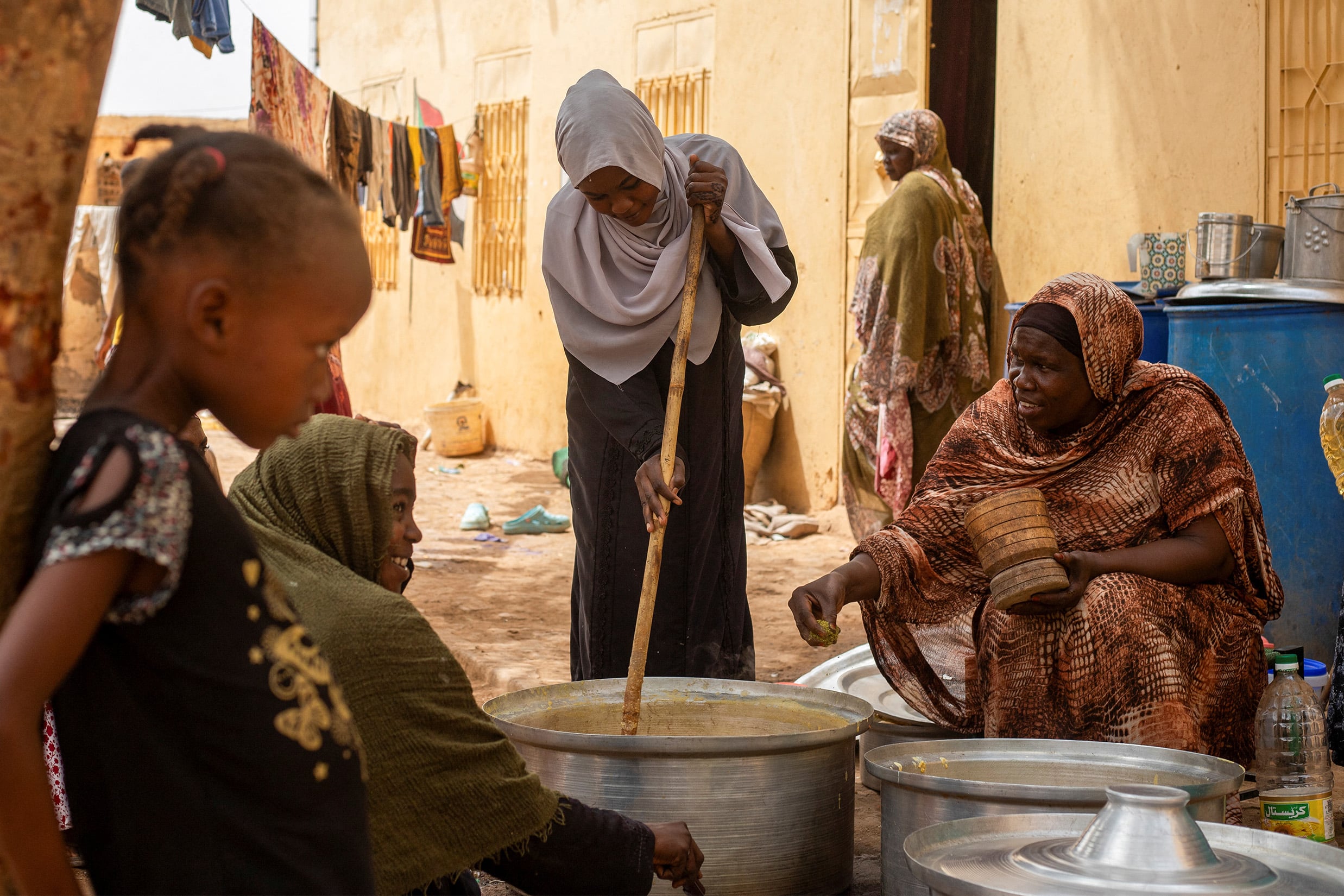
Mutual aid groups have been responding to the mass return of millions of people to major cities that have been reclaimed by the army over the past year. But as journalist and podcaster Malaz Emad reports, their efforts are being complicated by the scale of the destruction and humanitarian need, and because of attacks against them by the army and allied militias.
Sudan’s displaced are in homes, not just camps – and aid keeps missing them
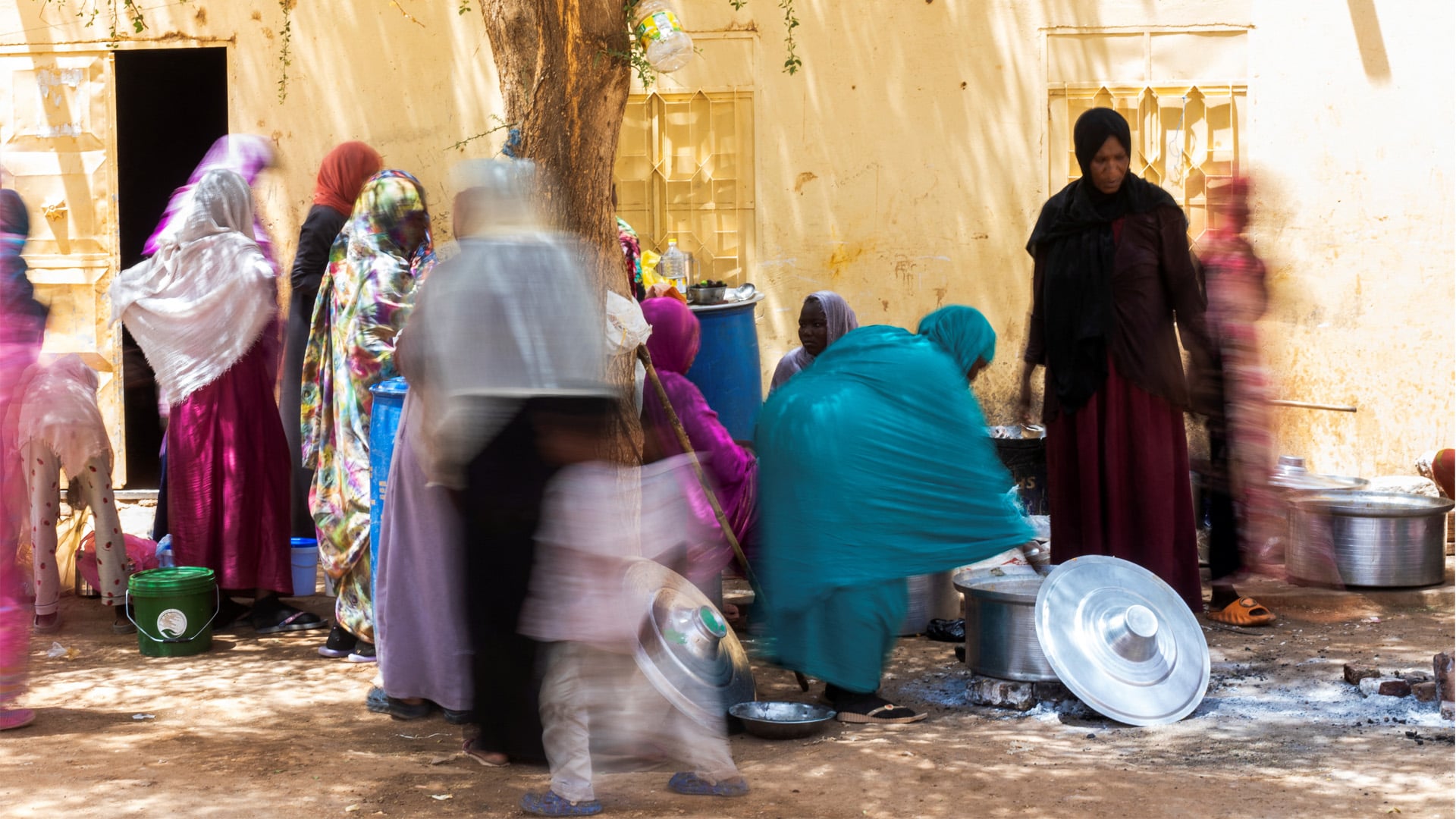
This analysis from Sudanese medical doctor and aid worker Greeballah Mohamed reminds us that the humanitarian emergency is not solely a crisis of camps. An estimated two thirds of displaced people are in fact living within host communities – absorbed into the homes of relatives, friends, and even strangers. As Greeballah argues, the problem is that the international aid system doesn’t see them.
Sudan in-depth: Aid efforts blocked and weaponised amid sweeping cuts and army gains
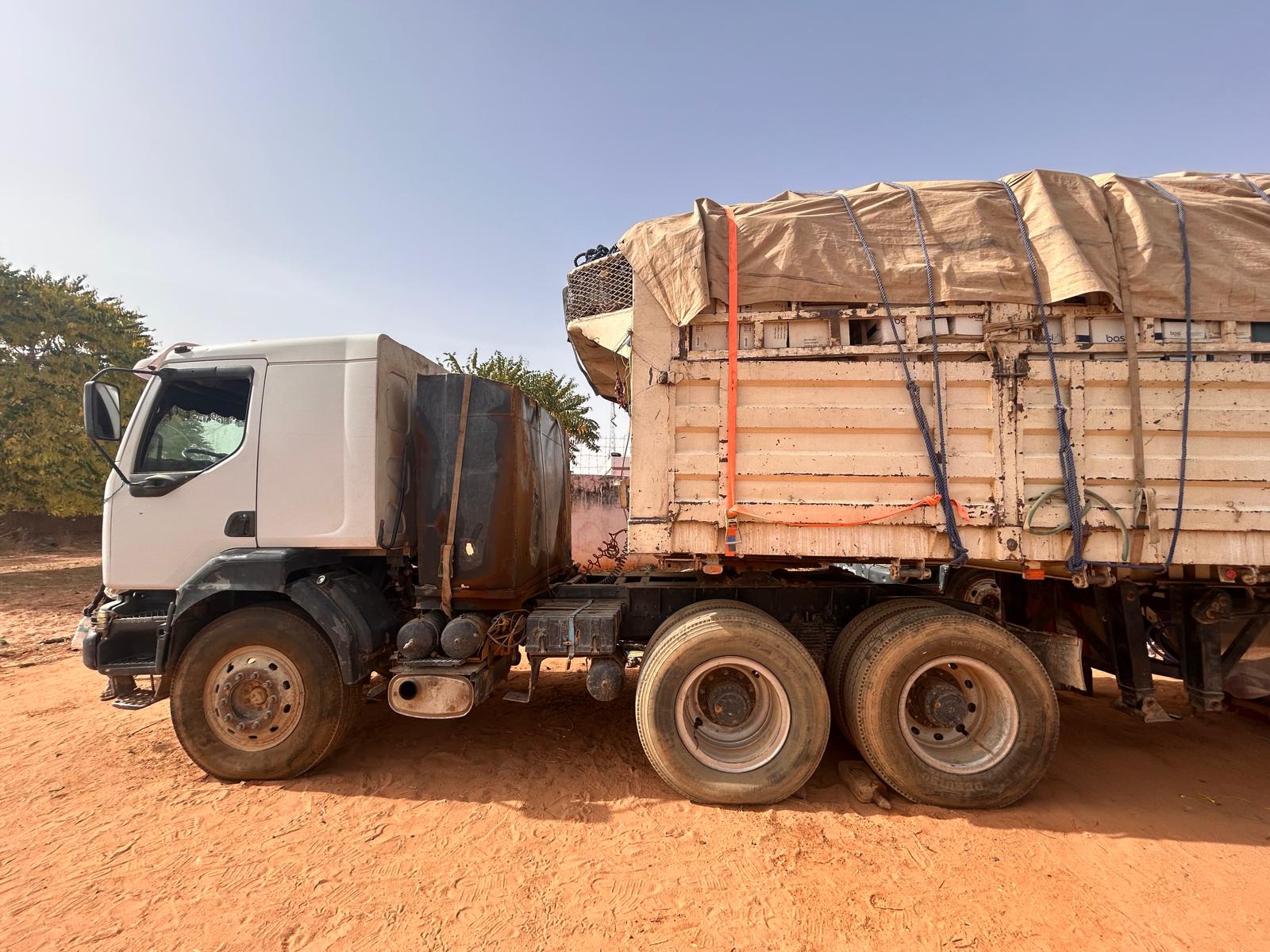
This in-depth special report – published this time last year and based on months of interviews with aid officials – highlighted an unwieldy and sluggish international response sabotaged by deep funding cuts and systematic obstruction by the army and the RSF. It also exposed how both conflict parties are profiting from relief work, imposing fees on aid groups, extorting money at checkpoints, and renting vehicles, trucks, and compounds to sometimes unwitting agencies.


