Share & more
More than 300,000 refugees live in Kakuma camp in northern Kenya, an isolated and arid region, shut away from the rest of the country, depending on a faltering aid system for survival.
That always unequal relationship is now under more strain than ever. Deep funding cuts means harsh choices are being imposed by the aid agencies on who is helped – even if only barely – and those that have to go without.
A new system, begun in August, divides refugees into four categories. Those deemed most vulnerable (category 1 and 2) receive food rations – but at well below recommended minimum nutritional needs. Category 3 get a cash transfer of $4 a month, while category 4 receive nothing at all.
These poems by Peter Kidi explore that tension. They navigate between hope and hunger; between the promises of aid programmes, and the realities of daily survival; between policies designed to help, and the barriers they sometimes create.
Kidi is a South Sudanese poet and activist who grew up in Kakuma. His poems dissect the injustices of the aid system, while reflecting the resilience of those that are forced to endure. His work has been featured internationally, including a recent publication with the London School of Economics, and upcoming work with King’s College London.
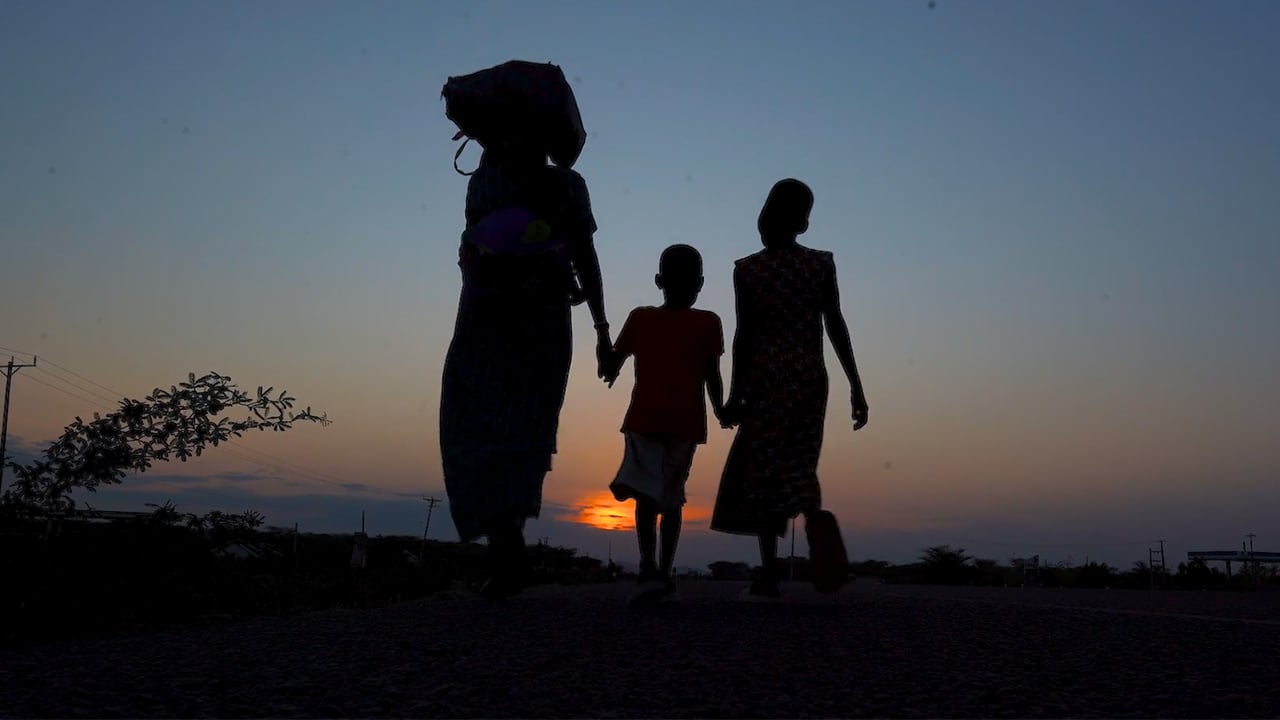
Category 3
By Peter Kidi
A lament from the heart of Kakuma where hunger is quantified and mercy digitised. Through the story of Mama Akongo, a mother stripped of assistance by a cold computer screen, the poem exposes the cruelty of systems that turn survival into data. It captures the anguish of mothers pleading – not for privilege – but recognition of their shared humanity.
Read the poem
In the heat of noon,
with a baby strapped tight on her back
and another tugging at her torn leso,
Mama Akongo stood
a single mother,
a quiet fighter in the desert of the forgotten.
She hadn’t received a message,
no buzz, no beep,
just silence from a phone that barely worked
like the system that birthed her pain.
So she walked,
through the dust-lined path to the fieldpost,
a place where hope and heartbreak stand in queues,
where aid is weighed by digits,
and survival wears a number.
The line moved like time
slow, unsure,
every step heavy with hunger
and the unanswered prayers of mothers.
When it was finally her turn,
she stepped forward
heart pounding like a drum
at the altar of some cruel arithmetic.
The aid worker didn’t even look up,
just typed,
paused,
then frowned
“Category 3,” he said.
Category 3.
No food ration. No cooking oil.
No explanation.
Just a screen that says: Not today. Not you.
It means going home to nothing,
watching your children ask for lunch,
and answering with tears.
As if those two words
were not a sentence
to starvation.
Akongo blinked.
“Are you sure? Maybe check again?”
she whispered.
But the screen had spoken.
And the world, once again,
had turned its back.
She fell to her knees,
not out of weakness
but because even warriors break
when the war is against their own dignity.
Her cry cut the silence:
“Why?
Why am I not a mother in your system?
Do my children not hunger the same?
Did I not bleed at childbirth,
like the women in category one?”
People stared.
Some turned away,
afraid to drown in the truth of her tears.
But she kept wailing:
“This aid, is it for numbers
or for the living?
How can a message decide
who eats and who fades?”
The sun heard her.
The wind, too.
And maybe, somewhere,
God wept with her.
For a camp divided by digital fate,
where mercy wears filters,
and humanity
is a category
on a screen.
Proof of life
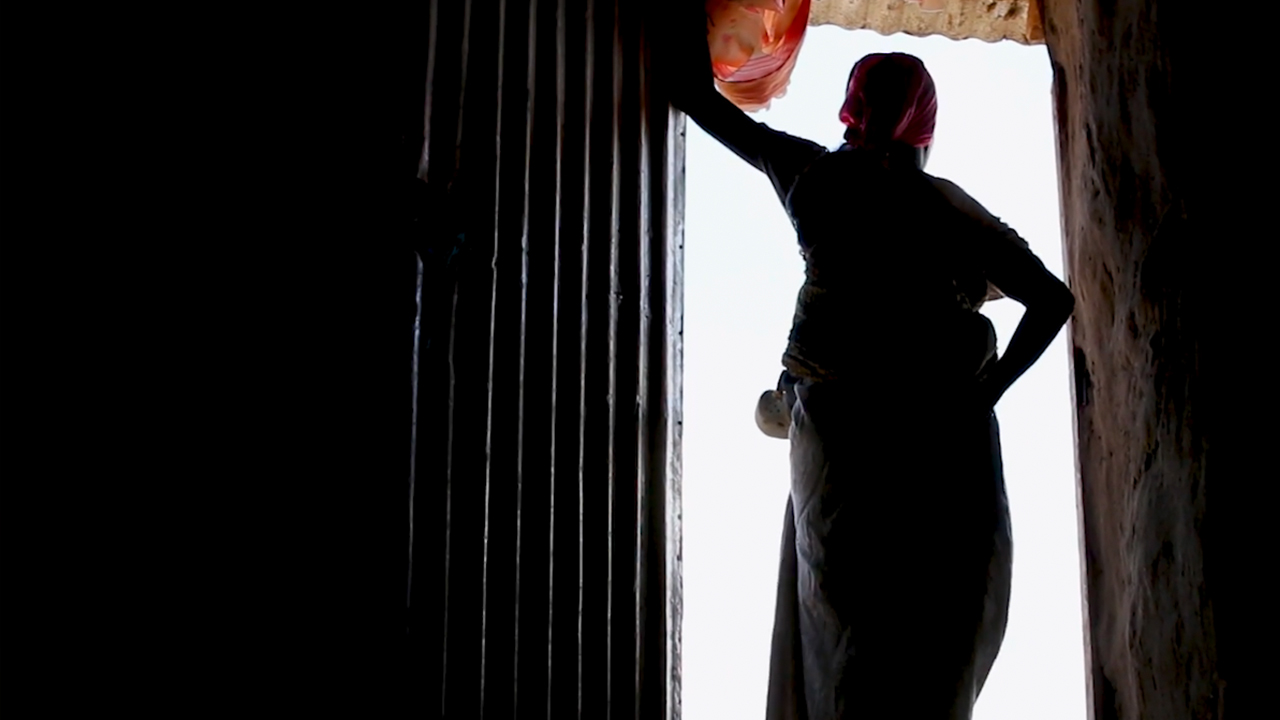
By Peter Kidi
Through the story of Deng, the poem confronts the brutal silence surrounding refugee suffering. It exposes the cruelty of the systems that count bodies but not pain; names but not dreams. It reminds us that every refugee's breath is already proof of life – even when the world refuses to see it.
Read the poem
They said,
"Line up.
Bring your body.
Bring your breath.
Bring your proof of life."
But they never asked
how many of us
are already dead
inside.
We stood beneath a sun that mocks thirst.
A wind too dry to carry prayer.
Waiting
as if survival needs confirmation
from the same hands that forgot us.
Deng stood in front of me.
Slender shadow of a boy who once dreamt
He laughed
the kind of laugh you only hear
from people hiding something
unbearable.
“Maybe I don’t exist,” he whispered.
“Maybe I should hang my body by the gate
with a note that says:
Is this enough proof for you?”
We chuckled.
Because in Kakuma,
laughter is the language of the condemned.
Three days later,
they found him swinging
from the tree behind the latrines.
The flies knew first.
The birds sang nothing.
No one screamed.
We’ve all run out of noise.
Just another name
crossed off a food list.
Another fingerprint
that will no longer warm the scanner.
No funeral.
No press release.
No UN statement.
Only silence,
and a mother too tired to cry.
So I write this
with hands that tremble,
with a voice full of ghosts,
for those who left
without saying goodbye.
I write this for
those still breathing,
but barely.
I write this because
you should know:
when they ask for proof of life,
what they’re really asking is:
"Have you broken yet?”
She carried it alone
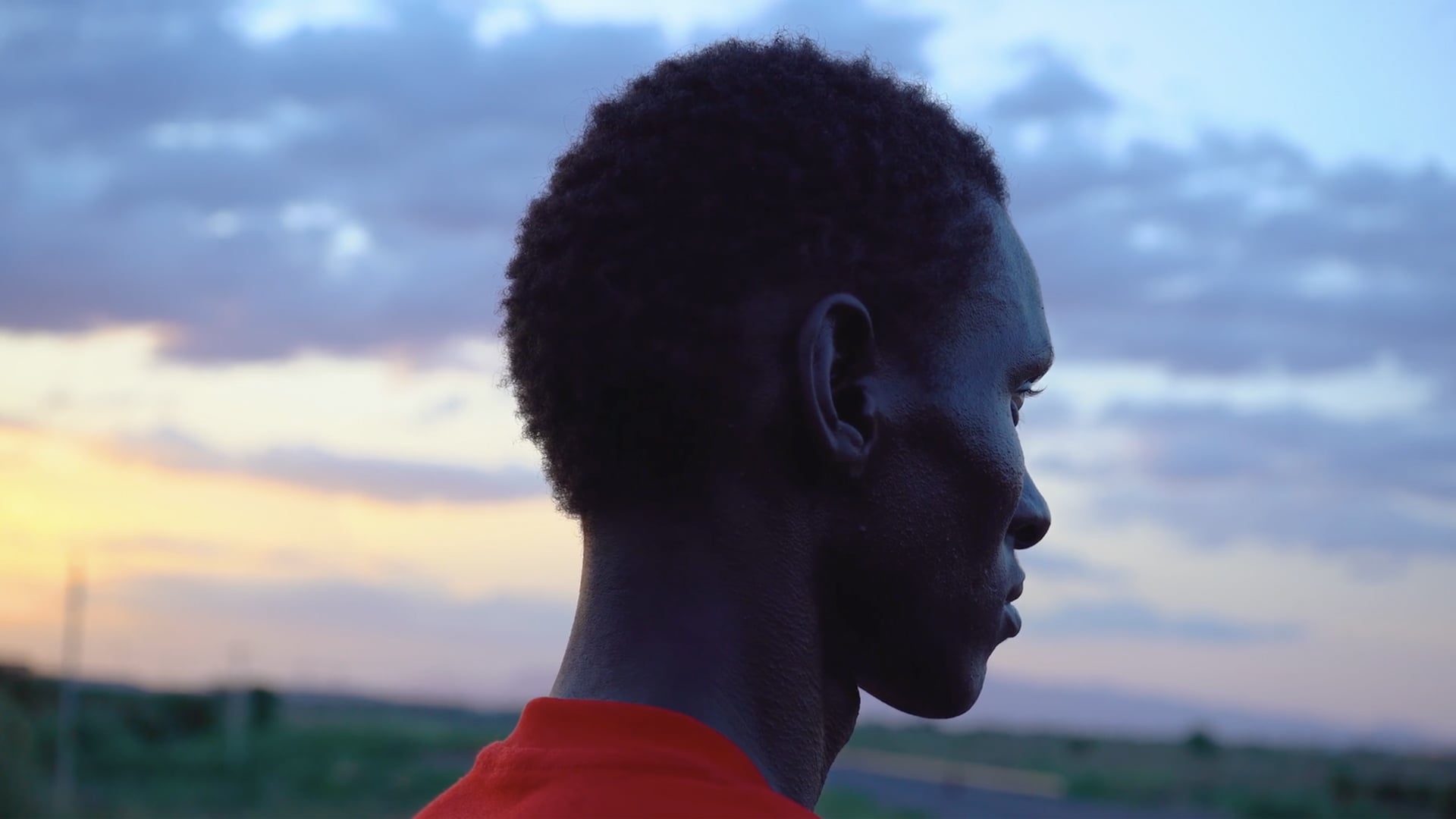
By Peter Kidi
An elegy for the unseen women of refugee camps forced to bear hunger, bureaucracy, and despair in silence. It follows a mother, labelled “Category 4”, and how her death can echo louder than any protest.
Read the poem
She walked home
without speaking.
Her children’s laughter
echoed in the distance.
They hadn’t heard
the sentence
passed in silence.
Category 4.
Like a disease.
Like a stain.
Like she didn’t belong
in the line
for food.
Not sick enough.
Not vulnerable enough.
Not starving the right way.
Who decides
whose hunger
matters?
She held the ration card
like it could
rewrite her fate.
But the barcode
was already cold.
She sat on the floor,
hands in her lap,
eyes fixed
on nothing.
No words.
No fire.
No tears.
Just the ache
of being unseen
in a place
meant for saving.
The pot was empty.
So was the jerrycan.
So was she.
That night
she made a choice.
Not to fight.
Not again.
She had marched.
She had shouted.
She had buried her pride
on the road
to the UN gate.
They listened.
They nodded.
Then they said
"There’s nothing much
we can do."
So she walked.
To South Sudan.
With cracked heels,
three children,
and one fading thought:
If I must die,
let me die
where my people
are buried.
She crossed
the dry land
like a prayer
too tired
to be answered.
She reached the border
and begged.
“Let me go home.
I am already
half-dead.”
But they turned her back.
She wasn’t allowed
to suffer there either.
What kind of world
builds fences
around grief?
She came home
to the same silence.
To the same pot.
To the same children
who still believed
she could fix things.
That night
she bathed them,
kissed their foreheads,
and hummed
a goodbye
disguised as a lullaby.
She did not cry.
She had cried
all the tears
she was born with.
She tied the curtain shut.
Took one last breath.
And left.
No note.
No scream.
Just silence.
But her silence
asks a question
louder
than any riot:
What breaks in a system
when a mother must die
for her children
to be noticed?
What justice is this
that gives food
by category
but lets women
hang by threads?
What kind of help
watches a woman drown
in daylight
and calls it
procedure?
She did not die
because she was weak.
She died
because the system
was never built
to see her.
And we
we let her
carry it
alone.