


Share & more
The window of the room in the apartment where I am currently staying overlooks a wide green field. I look out and try to convince myself that I am in a safe place. There is no rubble here. No debris. No sound of explosions. No dust of death hanging in the air. The field is quiet, orderly, bathed in soft sunlight, as if it doesn’t know the world is burning.
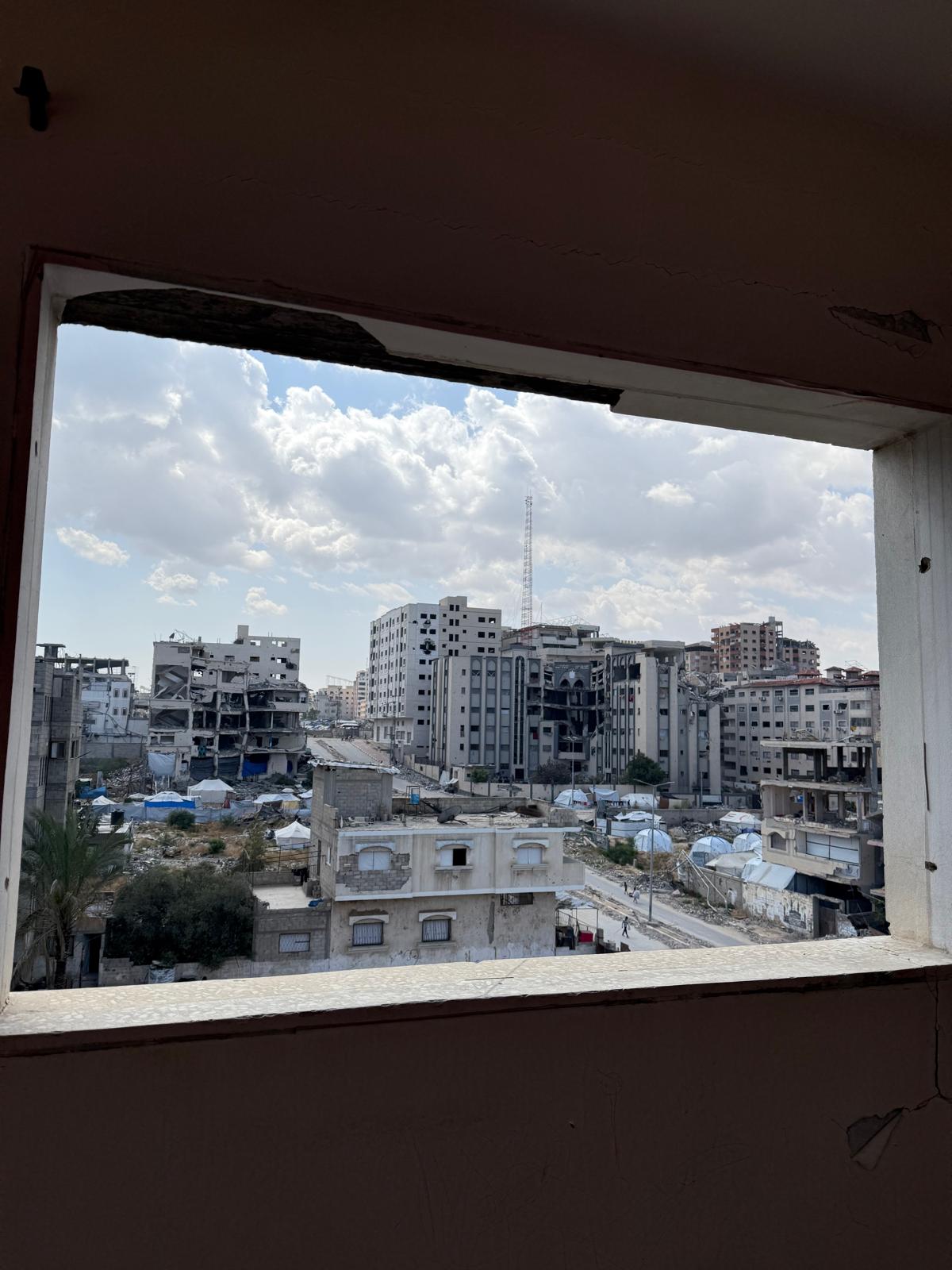
But I still see with eyes that have witnessed destruction. The green spaces remind me of the lands that were scorched, the streets that became cemeteries, and the homes that collapsed on their inhabitants without a goodbye. In every silence, I hear screaming. In every open area, I see the overcrowding left by displacement and the suffocation we endured inside tents.
Over 660 days of genocide. I lived almost 570 of them in Gaza under bombardment, amidst the rubble, between hunger and death. Now I’ve spent almost 100 days in Marseille. I survived Gaza, but I haven’t truly left.
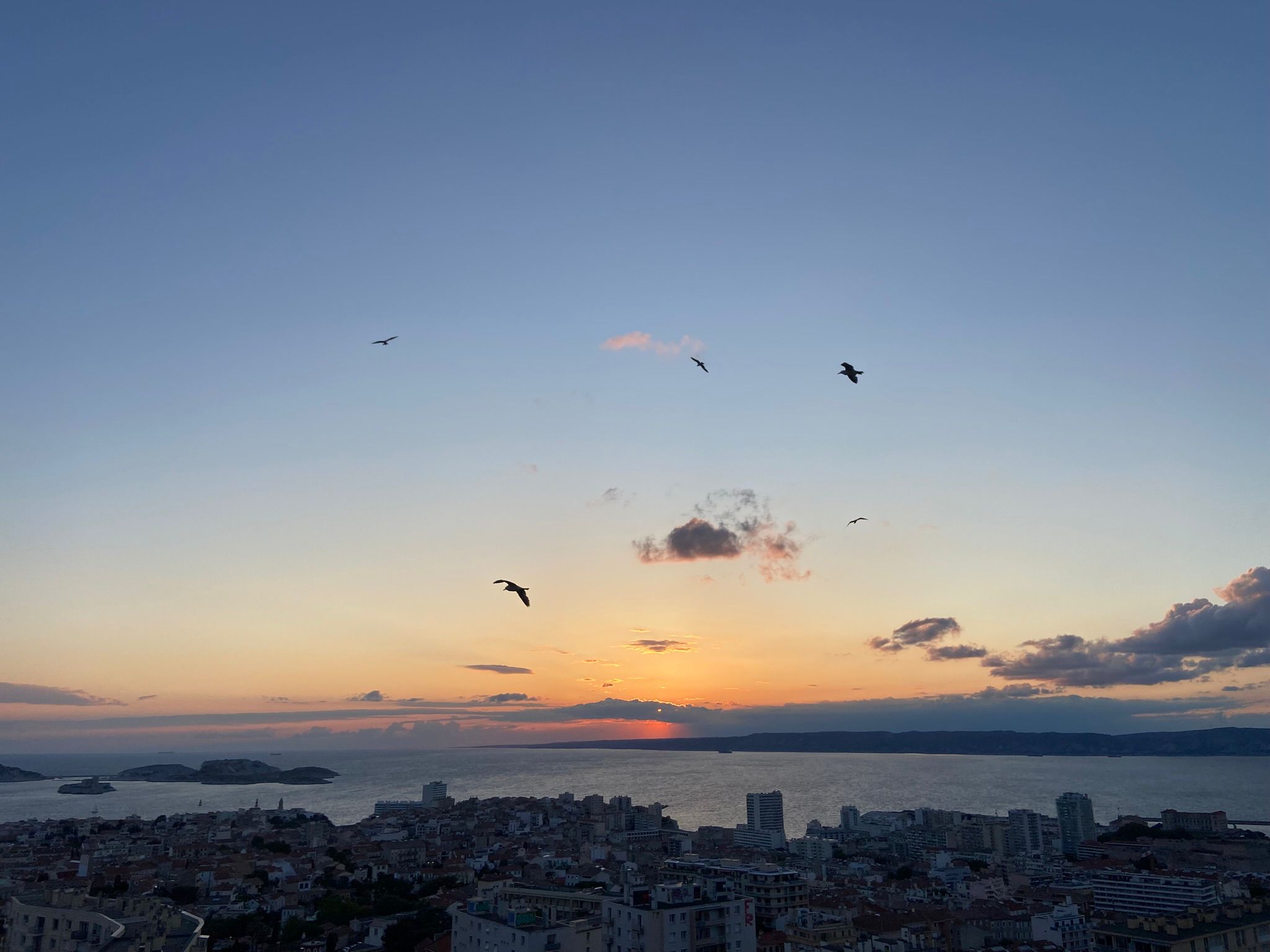
In Marseille, everything sparkles. The seafront is flooded with light, as if the sun decided to take up permanent residence here. Markets are full of fresh vegetables, warm bread, and faces that have never known the meaning of queues or airstrikes. The cafe windows reflect laughter, music, raised glasses, and conversations unburdened by fear. Everything here is alive, except for me.
I feel faded. I walk among people like someone who has forgotten who she is, or someone playing a role written in a language she doesn’t speak. My body pretends to belong. I dress according to the weather. I use appropriate words in the appropriate situations. I say “bonjour” when I meet someone and “merci” when someone hands me something. I nod and smile when I don’t understand and pretend that I did. I attend meetings, write articles, reply to emails, send reports.
Everything appears normal, organised, reassuring. But the truth? I live between two worlds: My body is here, but my soul is still there, in Gaza.
When I walk into a large supermarket, I feel sick. The abundance overwhelms me. I want to scream: “In Gaza, people are sharing a single piece of bread!” But no one hears, or maybe no one wants to hear. And when I return home, I collapse. I stop pretending. I take off the mask. I become silence – a stone that does not speak. I stare at the ceiling, at the white walls of the room, at the void. No tears. No words. Only numbness.
A quiet promise
Marseille is beautiful, yes. But it is nothing like me. It doesn’t know what it means to be born into war, to grow up under airstrikes, to love in fear, to write from inside a tent, to survive and regret it.
Every moment of the days I spend here, I carry Gaza on my shoulders like a mountain that never fades. The sounds of shelling haunt me, even when there is quiet. The scent of death – no matter how gentle the wind is – cannot be masked by the perfume of this city.
Guilt is my silent companion. It wakes up with me every morning, before I even open my eyes. It whispers in my ear: “You’re here, and they are still there.” It follows me to the market, to the cafe, to the post office. It walks beside me like a heavy shadow that never leaves. When I buy something simple – a piece of chocolate, a book, a shirt – it strikes me. I hear its voice inside: “Do you need this? Would you have bought it if you were still there?”
I can’t feel joy. Joy itself has become a form of betrayal. But I try – not to silence the guilt but to live with it. I try to remind myself that I didn’t choose survival. It was forced upon me.
I write. I speak. I document. I tell stories. Because that’s the only thing I can still do for them from here. I can’t send bread, but I can send words. I can’t stop the missiles, but I can scream with their voice. Every time the thought creeps in that I’ve abandoned them, I remind myself that true betrayal begins when we go silent.
So I lift my head to write a new sentence. I open a microphone. Send a photo. Prepare a new piece. I try to make this guilt a fuel, not a chain. Guilt doesn’t disappear, but it transforms. It shifts from pure pain to a driving force, from the painful question, “Why am I here?”, to a quiet promise: “As long as I’m here, I will not forget them”.
I am in between
Sometimes, I want to truly live. To blend in. To go out with new friends. To laugh from the heart. To run on the beach without choking on longing. I want to allow myself some peace, some forgetfulness. But every time I get close to life here, I feel like I’m betraying something deep inside me. I almost hear a whisper from over there: “Don’t forget us”.
In Marseille, the invitations are endless – to parties, to exhibitions, to dinners at home, to cultural discussions. Sometimes I go. I sit with them, eat, listen, smile. But something inside me doesn’t join in. It’s as if I’m sitting among them in a borrowed body. My laughter doesn’t come from the heart. It comes from somewhere far away, severed. I look at their beautiful faces, at their steady hands, at their eyes that have never seen blood, and I feel there are oceans between us.
I’m afraid of forgetting – not because I don’t deserve life but because life here doesn’t know where I come from. I’m afraid my face will fade if I immerse myself too much, that my voice will grow too soft to scream anymore, that I’ll replace my accent or dull my sorrow so I don’t disturb them.
I want to live, but I don’t want to let go of my memory. I want to love, but I’m afraid no one will understand that my heart is filled with graves. I want to succeed, but I don’t want to be used as a symbol of triumphant survival. Yes, I survived – but I am not okay.
I am in between – between those who left and those who stayed, between someone trying to live and someone afraid of being forgotten, between two languages, two lives. And I don’t know which one I still own and which one I’ve already lost.
My friends are there, those I once laughed with on a quiet evening, with whom I shared a single bite of food and long, wordless gazes. The rest of my family is there too – under the bombing, the hunger, the long wait for what never arrives.
And me? I live here, in cold isolation. I do nothing but cry. Nothing fills my time more than crying, as if I’m trying to wash my memory with tears, but it won’t wash away. When someone asks me about Gaza, I can’t find words. I cry. That’s all. I look at their faces and know they’ll never understand, even if I explained a thousand times.
What could I possibly say? Should I describe how people are buried alive, how children have become numbers, or how people master the language of grief before they learn to write?
Food, I can’t touch it. I sit in front of a meal and see a battlefield. I see blood, torn limbs, the cries of mothers. I smell bread and remember people screaming, chasing after a sack of flour. I remember the plate of lentils we shared like a treasure and the milk we never found. Every bit feels like a betrayal. I feel like I’ve stolen someone’s right, that I’ve bathed with water that should have been drunk over there.
Sometimes, I hate my body for still being alive. I hate it because it survived and they didn’t.
The feeling of helplessness
People in Gaza no longer grasp anything – not because they don’t understand but because understanding has become another unbearable burden. How do you explain death when it is a daily event? How do you assign meaning to bombing when it repeats a thousand times without end? How do you distinguish between sorrow and emptiness, between waiting and surrender, between rage and numbness?
People there no longer speak much, not because they have nothing to say but because words have lost their worth. They live in half-awareness, half-lives, without questions or objections. You see them moving between tents and shelters like walking bodies, but their souls are left somewhere else. Even emotions have disappeared. Fear, sorrow, anger – all have eroded into thick silence.
The faces I know are no longer the same. Eyes are dimmed, gazes lost, replies reduced to the bare minimum, as if a whole city is sleeping in a collective coma and no one wants to wake up – because waking up would hurt more.
When I talk to my loved ones there, I hear no complaints. Complaining requires hope, and they no longer have any. They no longer wait for anything. They just live the day because the day hasn’t ended yet.
Everything is heavy, the air, the news, the screens, the faces, sleep – even my own heart. It’s as if I’m living while carrying Gaza on my back. No rest. Not a single moment of internal silence. I’m still there even though I’m walking the streets of Marseille. Everything in me is stuck there: my soul, my memory, my pulse, even my imagination.
I follow the news moment by moment, not allowing myself to miss a single bombing, a massacre, another new announcement of slaughter. I write reports, take calls, follow photos, translate stories, tell testimonies. I speak with everyone, carrying them with me like a heavy trust, as if I’m the only living one left to report the deaths that no one prevented.
But this weight is devouring me. In less than 100 days, my hair has turned grey. I looked in the mirror this morning, and I didn’t recognise myself. Who is this? When did I age this much? When did my eyes become this wide with exhaustion? Even my voice – it’s no longer the same. It’s sad, even when I smile, tired, even in silence.
The feeling of helplessness is eating away at my life. To know everything, to do everything, to write, to scream, to document – and nothing changes. To watch people die, to know their names, to hear their calls – and not be able to reach them.
That is the helplessness that is stealing me, that turns me into a woman aging without living, graying without committing a sin, breaking without a scream.
I am not living – I am resisting dissolution. I am trying not to disappear, to not collapse, to not die from afar.
I write again – because it’s all I have left
I think of Gaza every night – not as a place but as faces I know, as hearts whose pain I know by heart. Gaza is no longer just a place. It has become a collective pain that lives inside me. I close my eyes, and I see them one by one. I don’t see the sea or the streets or the homes that once were. I see dimmed eyes, faces that forgot how to smile, children who have become old men, mothers who don’t cry, because they have already cried enough.
The people there, they have changed. A kind of cruelty that doesn’t suit them has taken over. I see it in my daily calls. I hear it in their voice notes, in messages, in the silence between words. Depression fills the walls and apathy replaces fear. They no longer feel, no longer get angry, no longer react. It’s as if they have lost the right to emotions – because everything has exceeded the limits of what can be endured.
Those who have lost hope no longer ask when the war will end. They just want to sleep without fear, eat a full meal, hear a piece of news that doesn’t contain a body count.
Gaza has become unbearable. Those who didn’t die live on the edge of collapse. And the living, they are not really living – they are just trying not to die today.
As for me, in my bed in Marseille, I cannot sleep. Everything around me is calm, but I hear their screams inside me. I feel that if I sleep, I’m betraying them – that I must stay awake as long as they are awake in terror. Sleep is a luxury, and I no longer have the right to it.
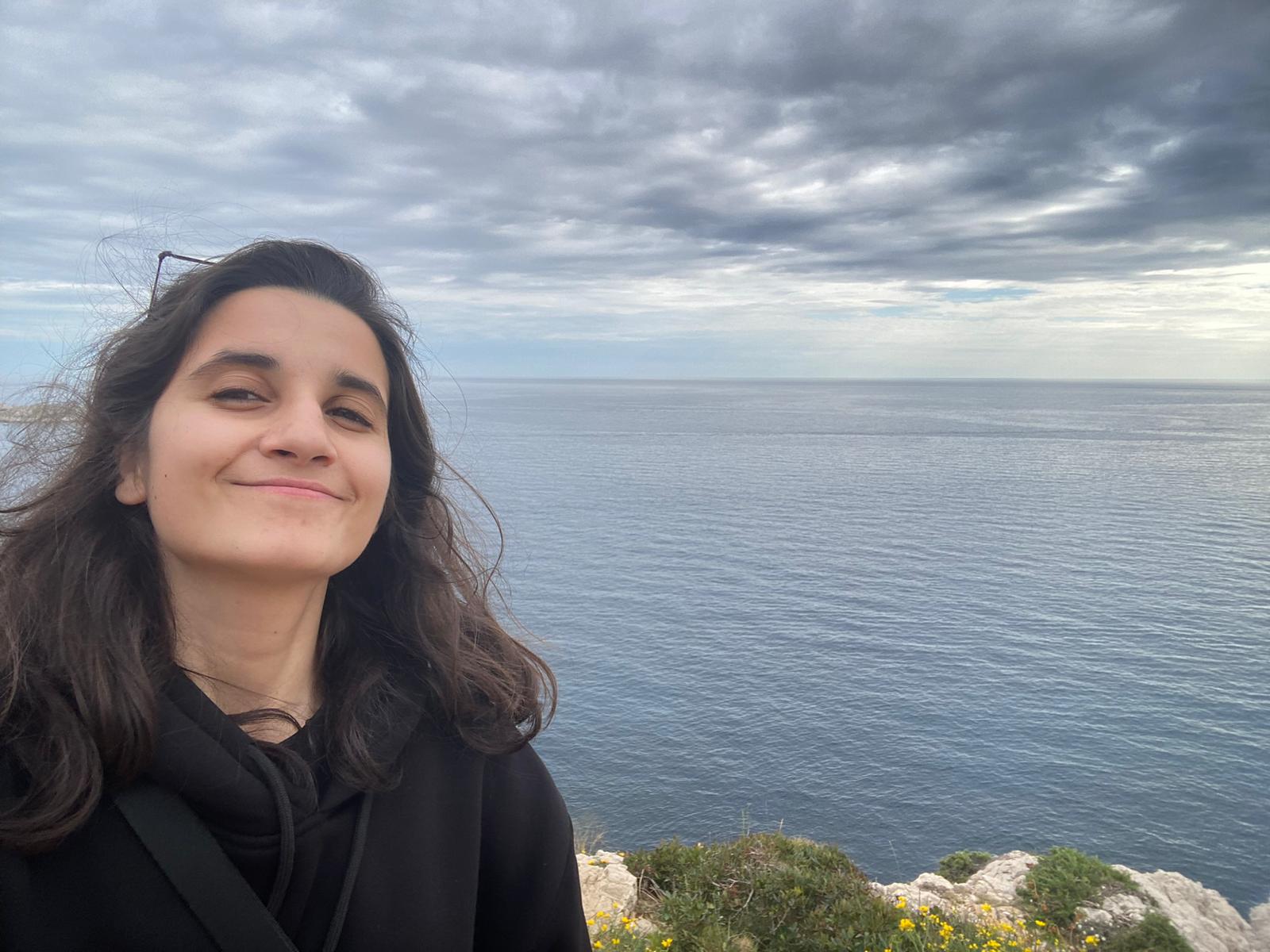
Marseille is not cruel – it is kind, sometimes. It tries to embrace me, to convince me that the world might still have space for me. But it doesn’t hold my keys. It doesn’t understand my accent. It doesn’t know my grandmother’s stories. It doesn’t recognise the taste of our bread. And it doesn’t know the names of our martyrs.
Still, I try to write, to document, to scream with words. Sometimes I write with passion, and sometimes I write while crying. And sometimes, I stop – I collapse suddenly, stare at the page and ask myself: What is the point? Does writing feed the hungry? Do stories stop massacres? Do words pull a child from under the rubble?
Then, in the midst of that helplessness, I return. I write again – because it’s all I have left.
Writing is not salvation, but it is the only place where I can scream without frightening anyone. It is proof that I still feel, still see, still refuse to become another silent body in the herd of forgetting.
I write so that Gaza doesn’t die inside me, so my pain doesn’t become routine. I write because there are fewer and fewer people there who can still write, because so many have been killed and starved and driven into exile – and no one here who hasn’t lived it can truly imagine Gaza.
Edited by Eric Reidy.


